Minneapolis: industry beside the falls
St Anthony Falls provided the power needed for early sawmills and flour mills. The western prairie supplied the raw materials, and railroads connected the mills to the market. Migrant laborers turned this system into a routine production.
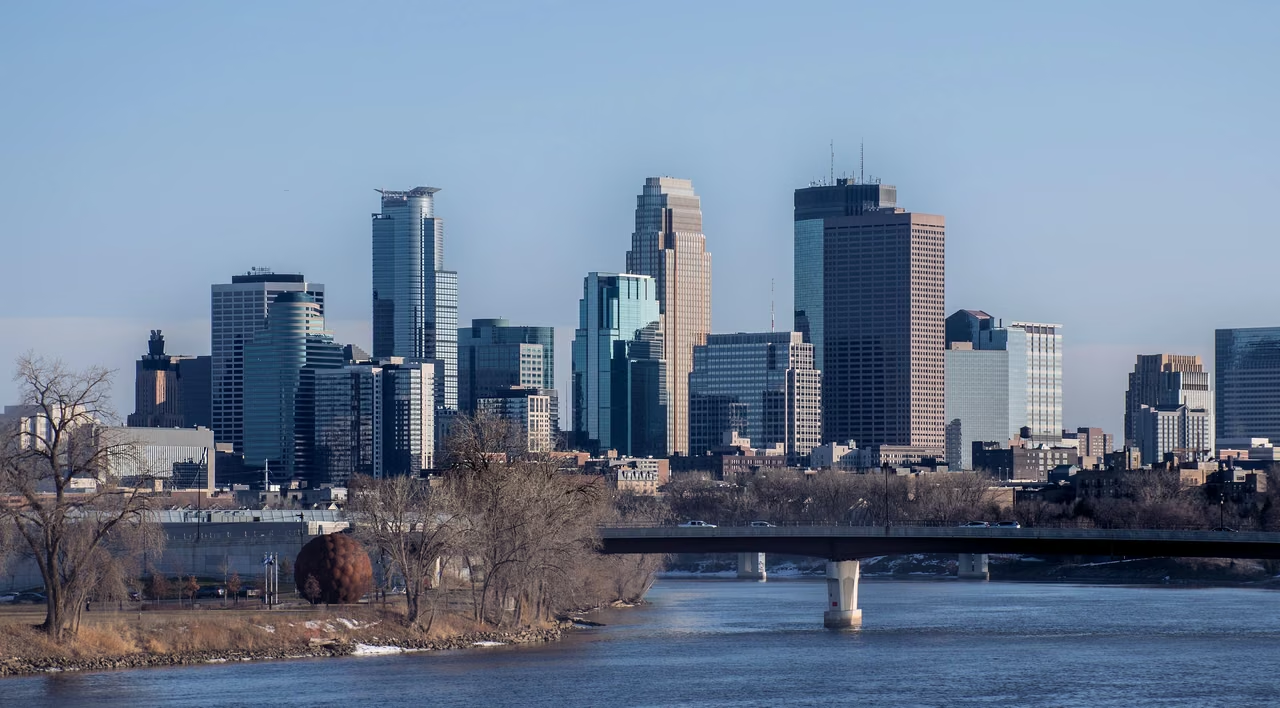
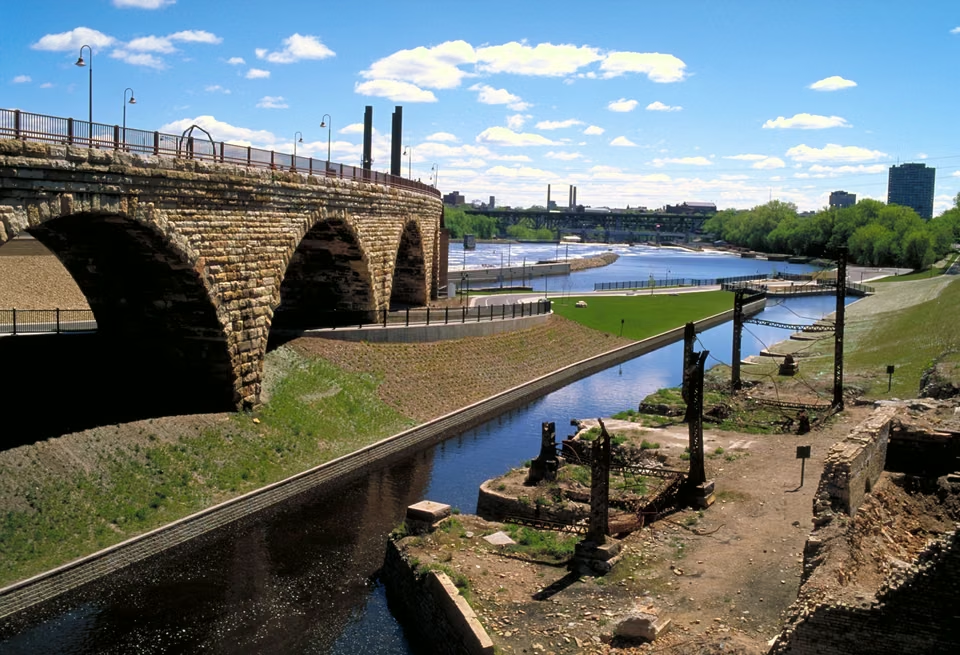
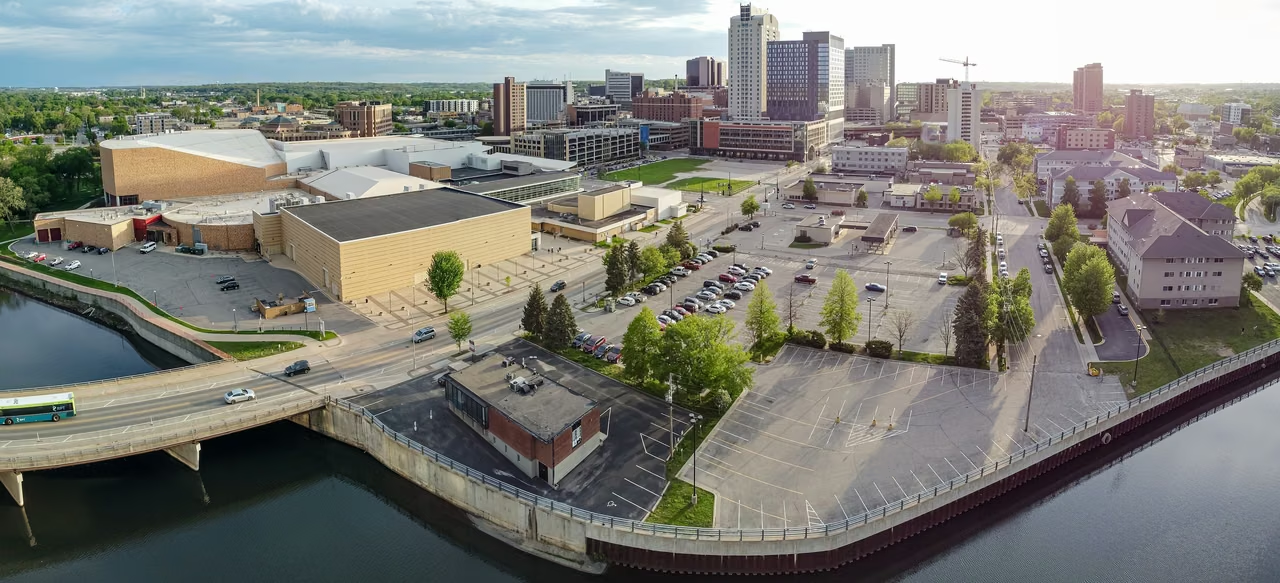
Today's riverbank is no longer defined solely by the flour mill. Old industrial buildings, public pathways, and contemporary urban life coexist, and it is only by visiting the ruins of the mill that one can read the changes behind the skyline.
Saint Paul: capital streets and a railroad past
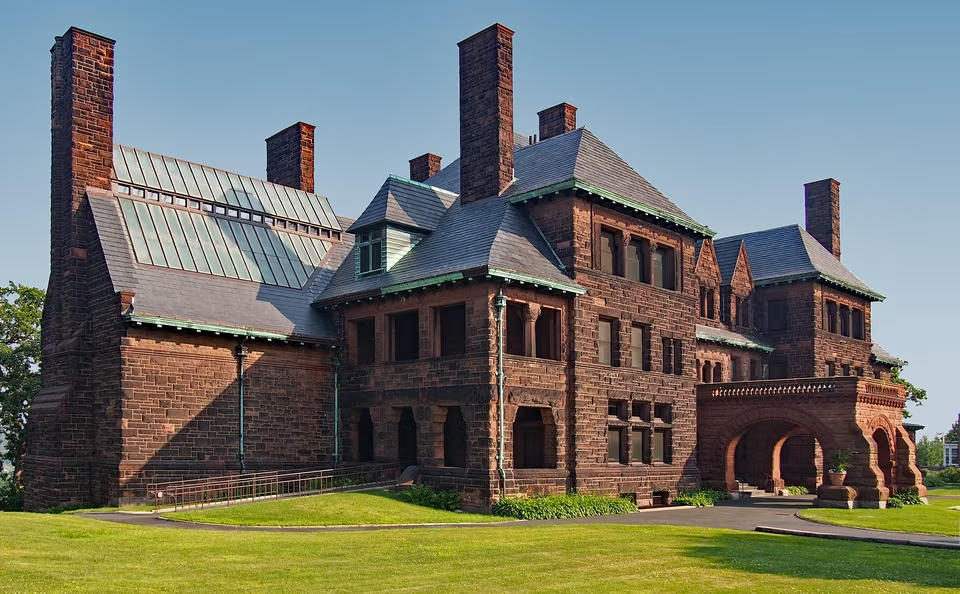
Saint Paul is Minnesota’s capital. The James J. Hill House on Summit Avenue preserves an architectural expression of wealth accumulated through the railroad business.
Built in 1891, this residence presents a family's life while also showing the relationship between railroads, cities, and urban economies. The twin cities share connections to the metropolis, but each retains its own historical focus.
In 1878, a dust explosion occurred.A devastating accident struck the Washburn mill. During rebuilding, ventilation, dust collection, and new milling equipment became priorities, bringing industrial efficiency and worker safety into the same discussion.
The site found a new use in 2003.After the mill closed, a fire damaged it further. Its surviving stone walls were eventually incorporated into Mill City Museum, turning the old building into a place to explore labor, technology, and urban change.