From an iron frame to the dinner table.
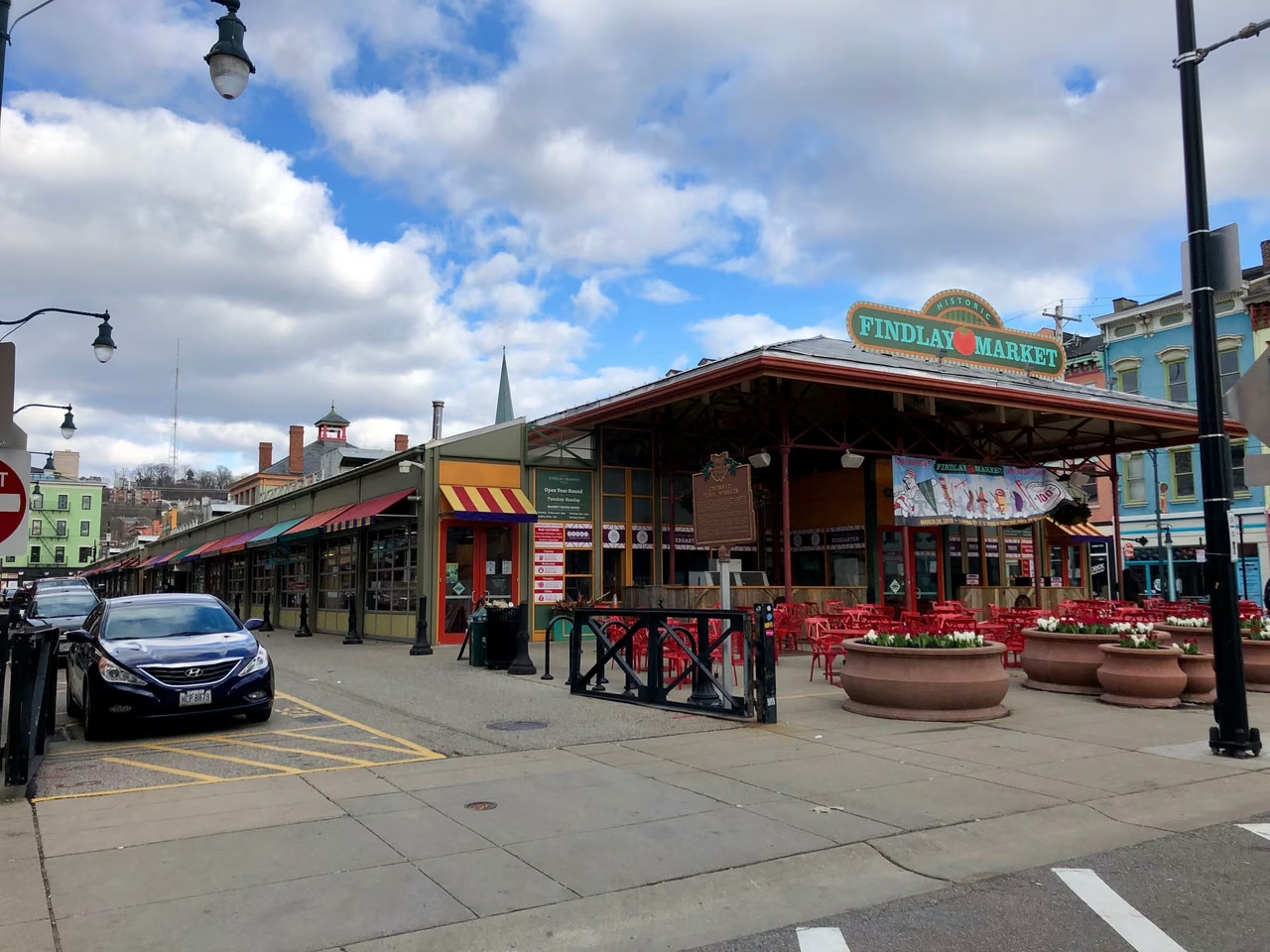
Findlay Market opened in 1855 and remains one of Cincinnati's historic public markets. Its originally open iron structure later gained walls, water service, and refrigeration as food storage and city life changed.
Today, people come here to shop, eat, and meet neighbors. Fresh produce and small businesses keep historic buildings functional as more than just a viewed landmark, preserving their living function.
Running a food business involves more than the market stall: sourcing, refrigeration, preparation, hygiene and customer flow all matter. A thriving neighborhood depends on sustained, practical relationships between businesses and the community.
Rivers connect the cities.
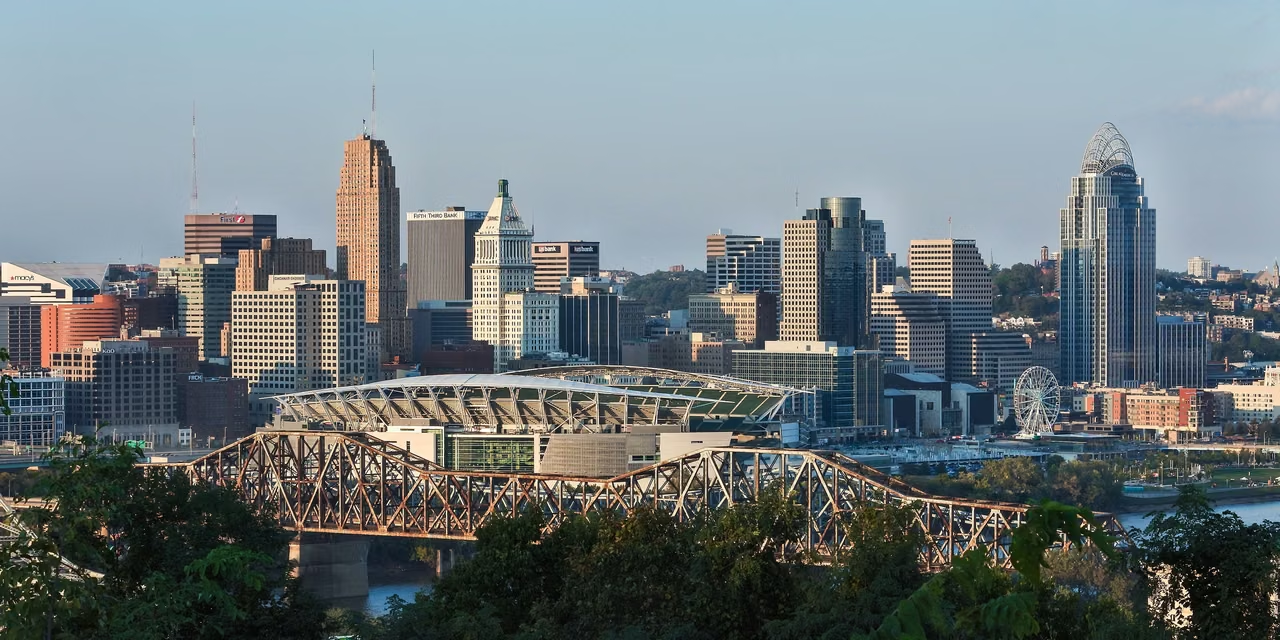
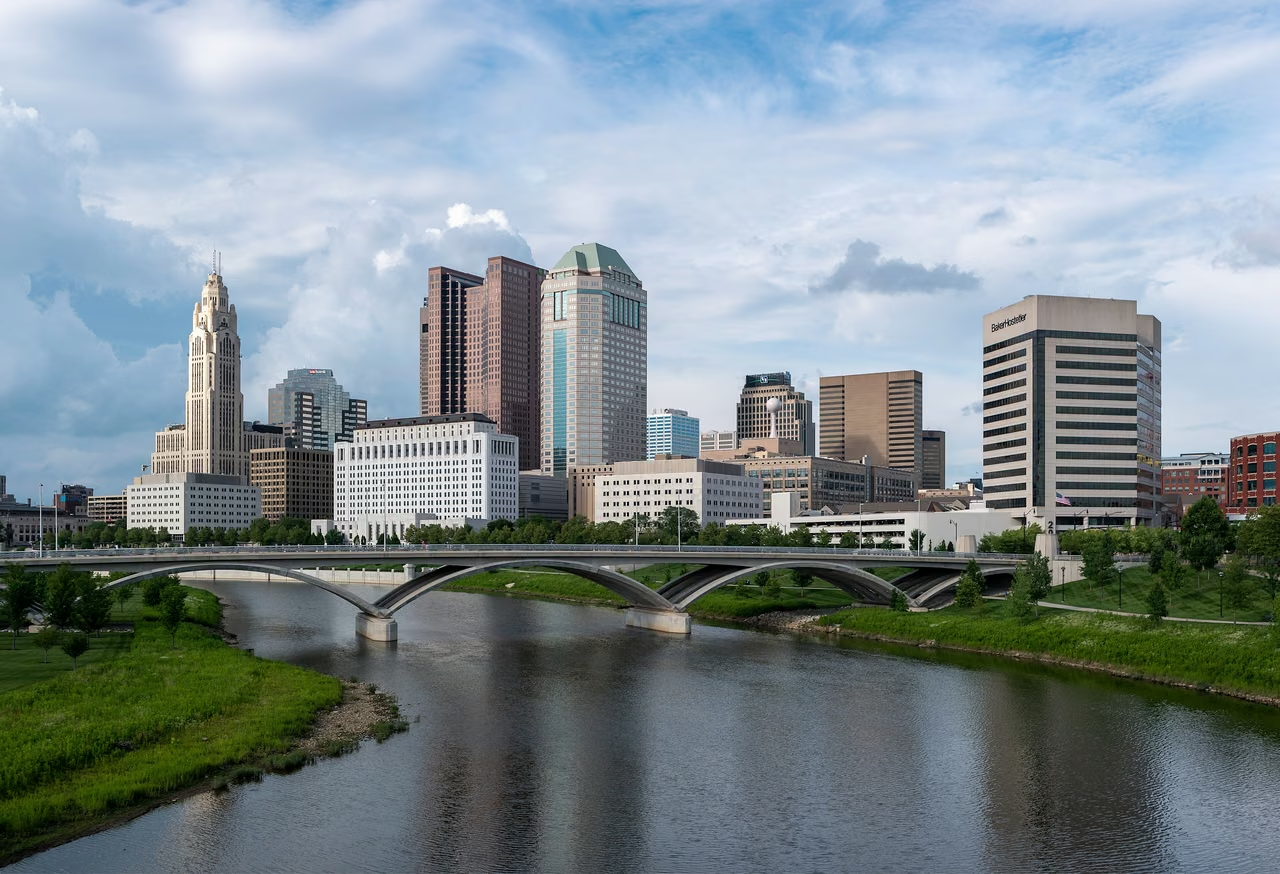
Cincinnati faces the Ohio River, with Kentucky on the opposite bank. Bridges and commuting connect everyday life on both sides, while business locations, employees, and tax obligations still belong to distinct jurisdictions.
This also shows that state lines do not necessarily coincide with market boundaries. To understand a city, one should look at riverbanks, neighborhoods, thoroughfares, and the actual service areas together.