Water spreads across the landscape.
Rain replenishes the wetlands' moisture, connecting previously isolated shallow waters. Surface water, plant growth, and animal activity change, and water continues to move towards the river mouth and bay.

From slow-moving wetlands to open seas and skies.
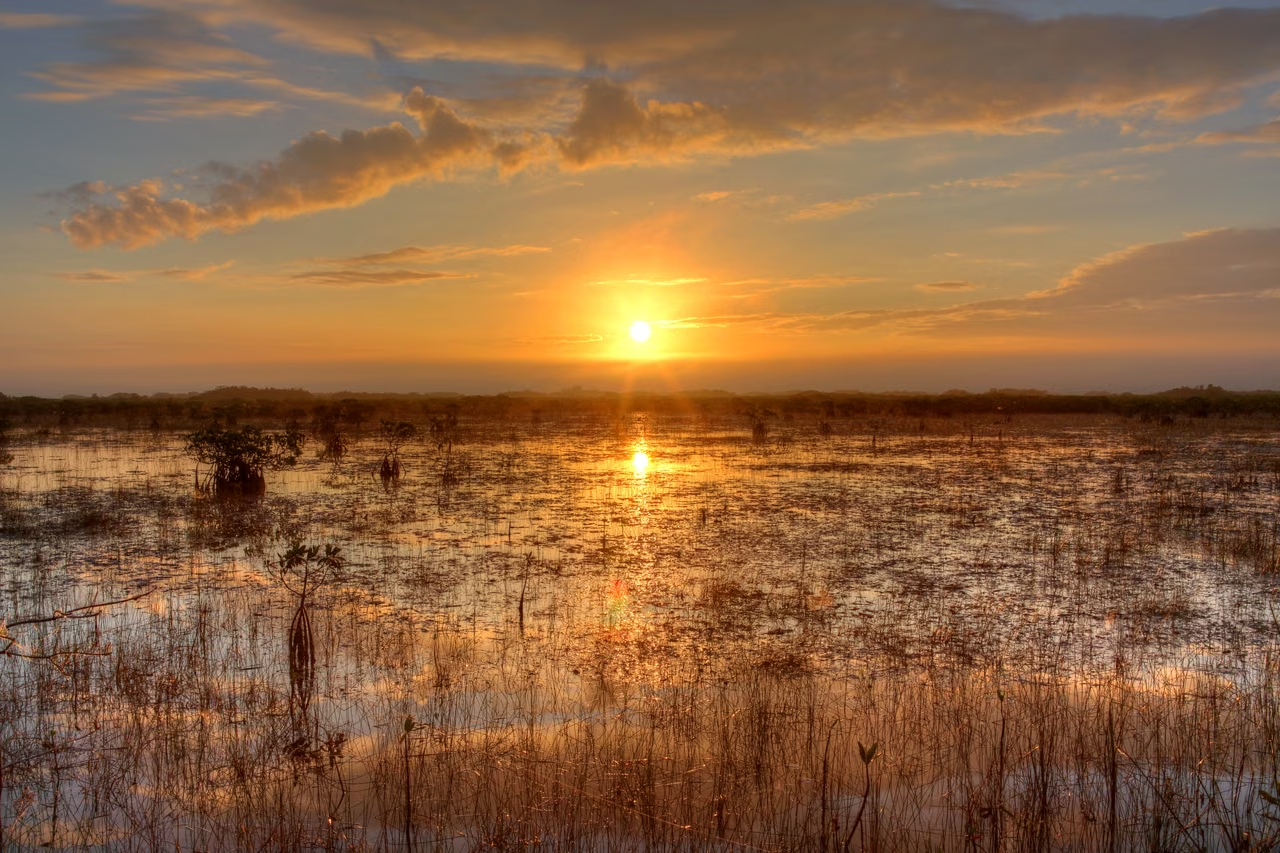
Peninsula, island chain, estuary, and city: the Sunshine State has many faces.
The Everglades’ low, flat terrain lets water move slowly across a broad wetland. Sawgrass marshes, shallow water and slightly higher ground lie close together. Small changes in elevation can transform the habitats available to plants and animals.
South Florida’s year is often understood through its wet and dry seasons. Summers are warm and humid, with frequent thunderstorms; winters are relatively dry and mild. Changing water levels transform the same wetland through the year and shape the movements of fish, birds and other wildlife.
Rain replenishes the wetlands' moisture, connecting previously isolated shallow waters. Surface water, plant growth, and animal activity change, and water continues to move towards the river mouth and bay.
When water levels fall, depressions that retain water become especially important. Solution holes in the rock shelter aquatic animals and help populations spread again when the wet season returns.
Mangroves grow along the rivers and tidal waters of the southern Everglades. Red mangroves have conspicuous prop roots; black and white mangroves have their own coastal adaptations. These forests provide nursery habitat for marine life, while waterbirds feed and nest among them, linking wetland and coast in one ecosystem.
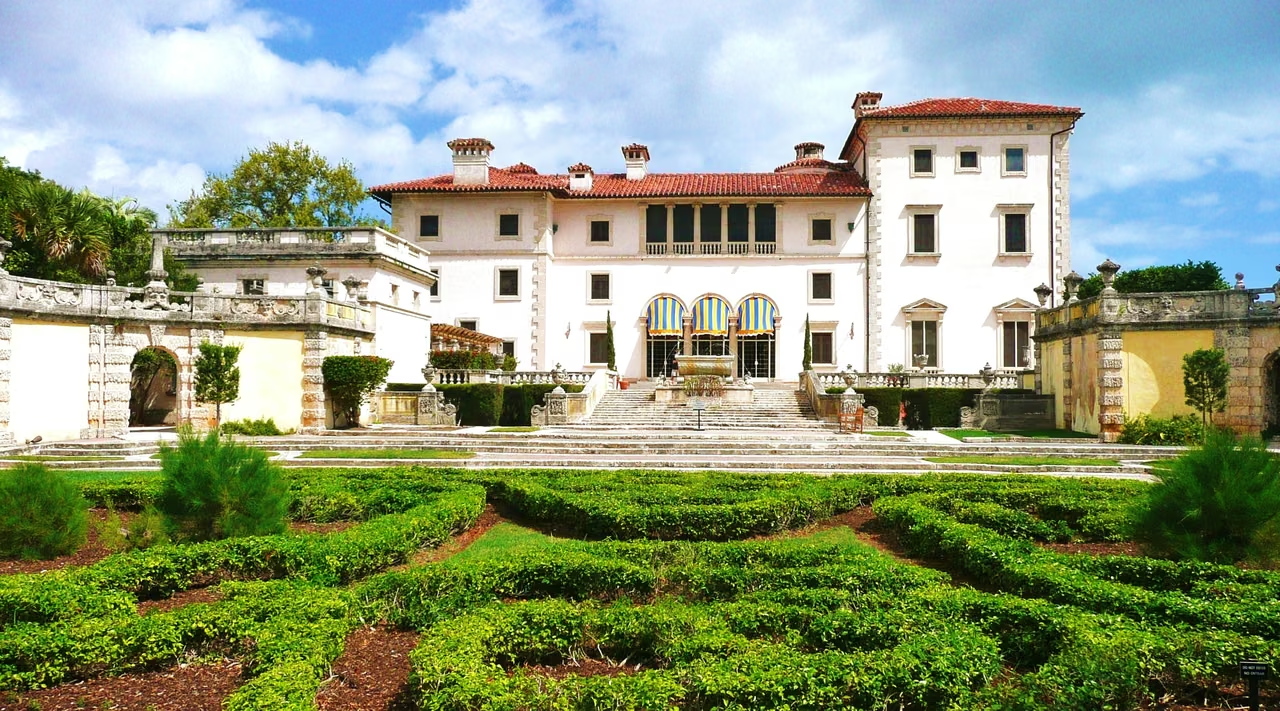
Architecture, landscaping, and subtropical environments converge.
The estate is one chapter in Miami's history. Today's city connects ports, aviation, international commerce, and multilingual communities. Waterfront homes, cultural institutions, and global trade create a city whose life extends well beyond the vacation image.
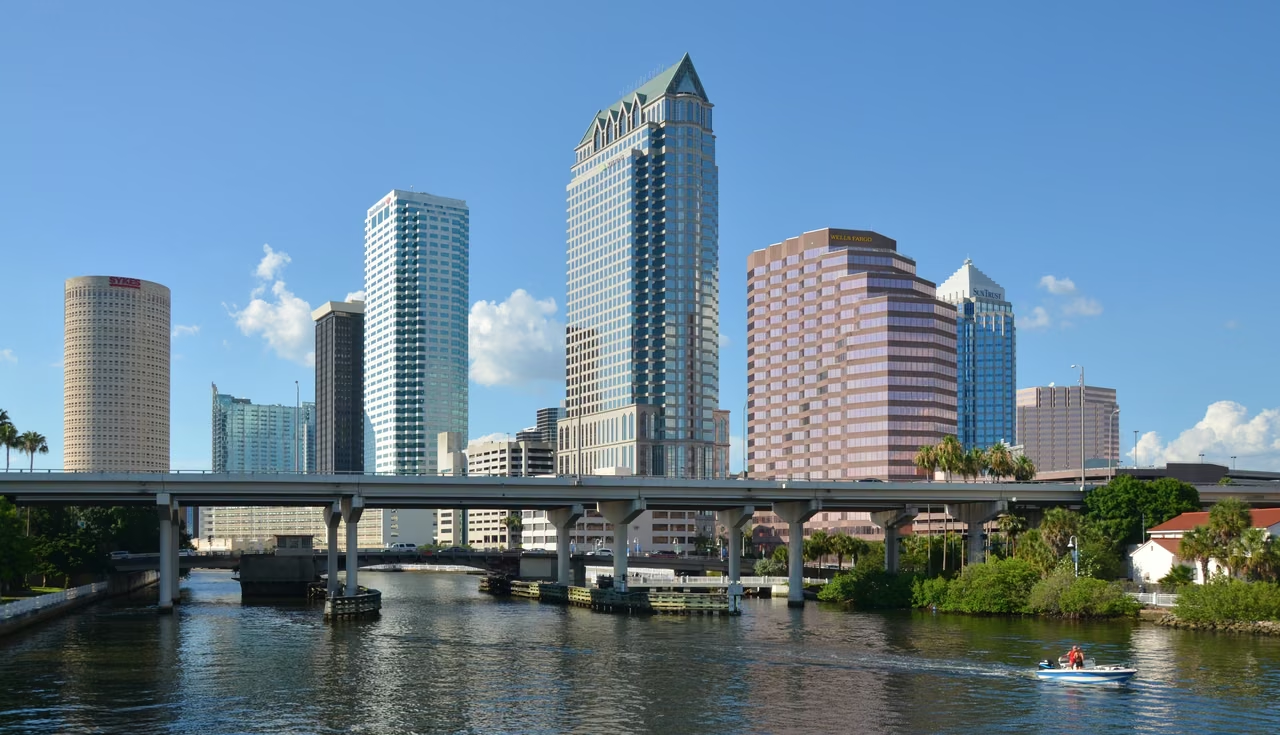
Port, healthcare, finance, and business services are connected to the residents on both sides of Tampa Bay. Commutes, bridges, and customer distribution affect the actual scope of services a company can provide.
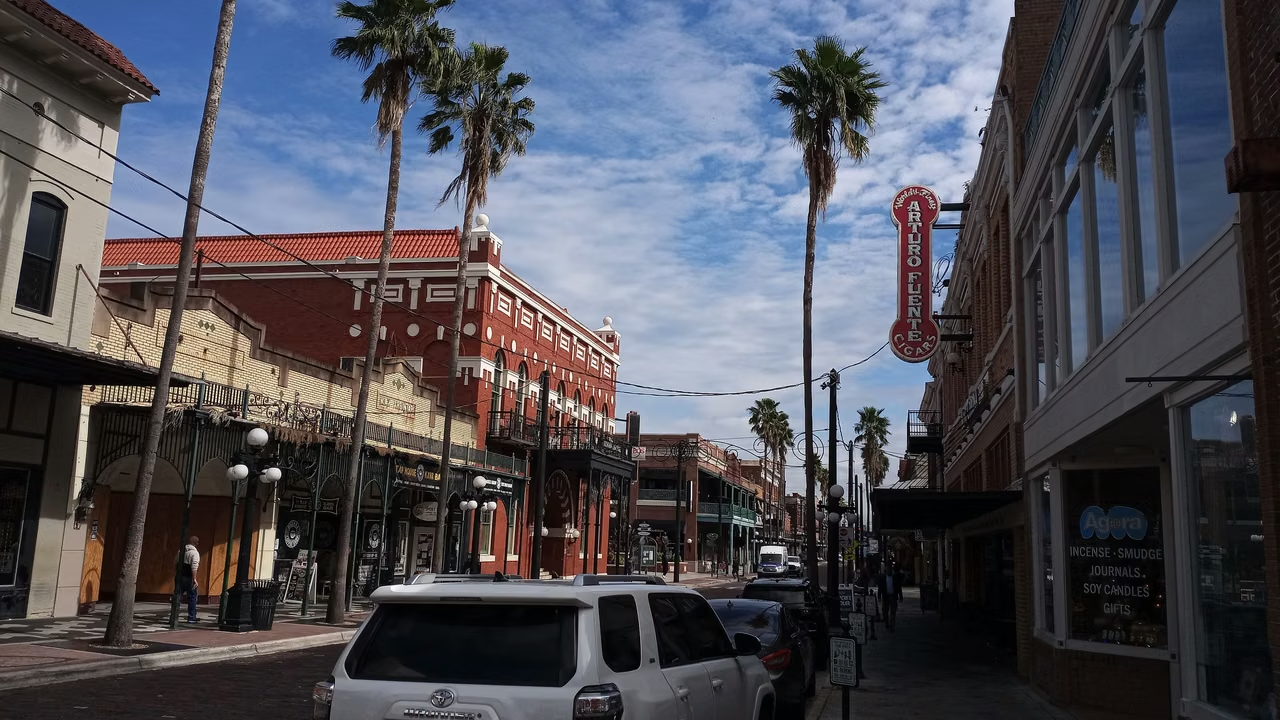
In the late nineteenth century, cigar manufacturing brought immigrants from Cuba and other places here. Factories, commercial streets, and community institutions formed a neighborhood, not simply an industrial complex.
Ybor City's history includes different experiences of immigrants from Cuba, Europe, and Asia. The remaining factories and buildings on Seventh Avenue still show the relationship between work, migration, and community organization. Walking these streets is both looking at the buildings and seeing the people who once lived and worked here.
Therefore, Tampa's image has layers: beyond modern office activities and port events, there are also neighborhoods left over from the industrial era. Its cultural tourism and local businesses are built upon these real places of historical significance.
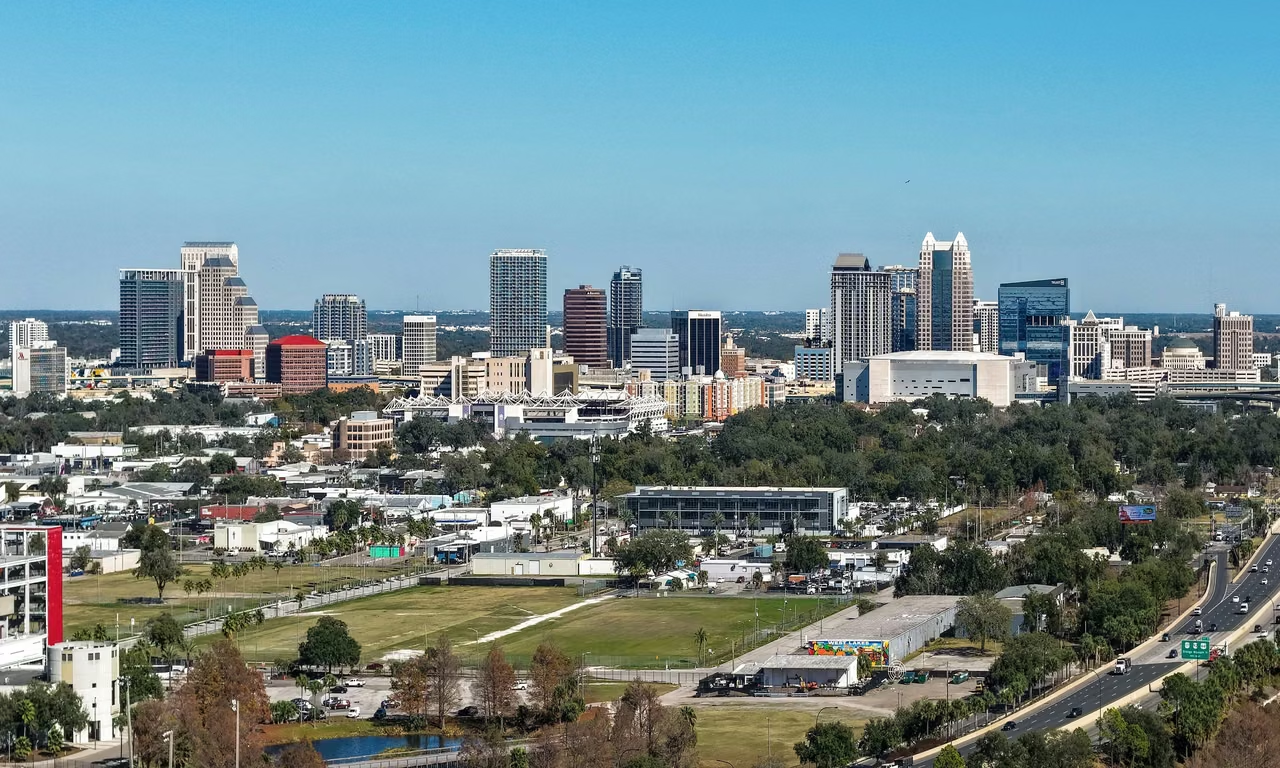
Orlando's tourism, convention, and related facilities support accommodations, dining, transportation, and professional services. Family vacations, business meetings, and resident consumption occur within the same metropolitan area, but do not necessarily occur in the same locations, nor do they follow the same schedules.
A conference might entail setup, transportation, catering, and technical support needs; a family vacation, however, focuses on the stay experience and activities. Understanding city commercial requires starting from specific clients and service segments, rather than viewing all visitors as a homogeneous market.
Lakefront residences, offices, and daily community facilities are all part of Orlando. Beyond tourist facilities, the city still needs healthcare, retail, maintenance, and public services – these long-term needs form the foundation of life beyond the tourist economy.
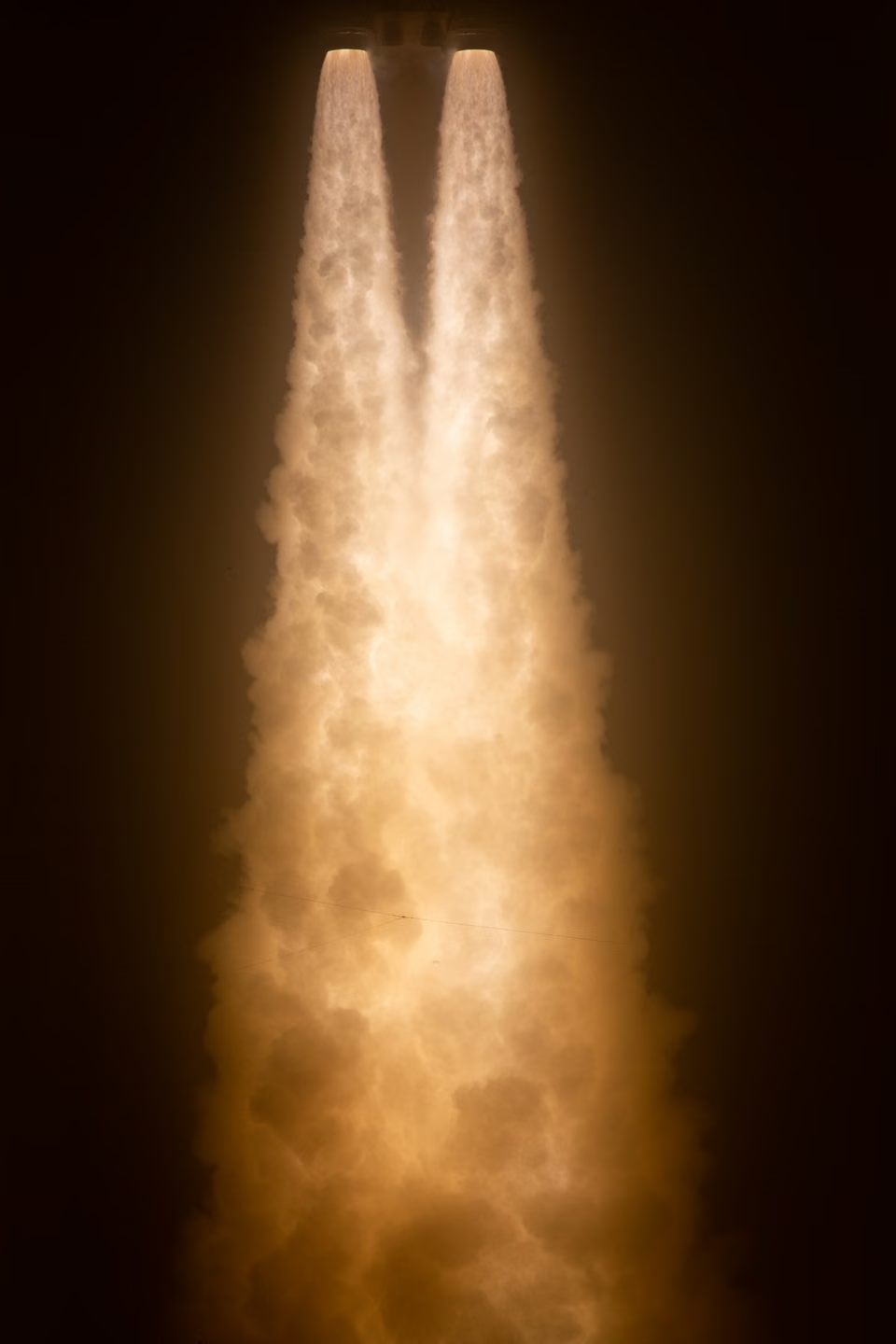
Kennedy Space Center and launch facilities in Cape Canaveral give Florida's East Coast another pace. Launches are the most noticeable moment, but there are also assembly, transportation, testing, site preparation, and coordination with personnel beforehand.
NASA's Kennedy Space Center Fiscal Year 2025 report records the mission total supported jointly by the center and Cape Canaveral Space Force Station. Fiscal years differ from calendar years; a mission count is not a count of businesses or a measure of output.
The image serves to record the Artemis I mission in 2022 for introducing local space history; not a site photograph from a mission in the 2025 fiscal year report.
Roads, power, gas supplies, launch pads, and transport equipment must be coordinated across missions. Space-related services depend on technical capability, schedules, and site requirements, quite unlike ordinary tourism or retail. Businesses sharing the same coast can have very different skills and routines.
Leaving the peninsula, land becomes small islands on the sea. Fort Jefferson stands in stark contrast to the surrounding waters and also records its role as a significant maritime route.
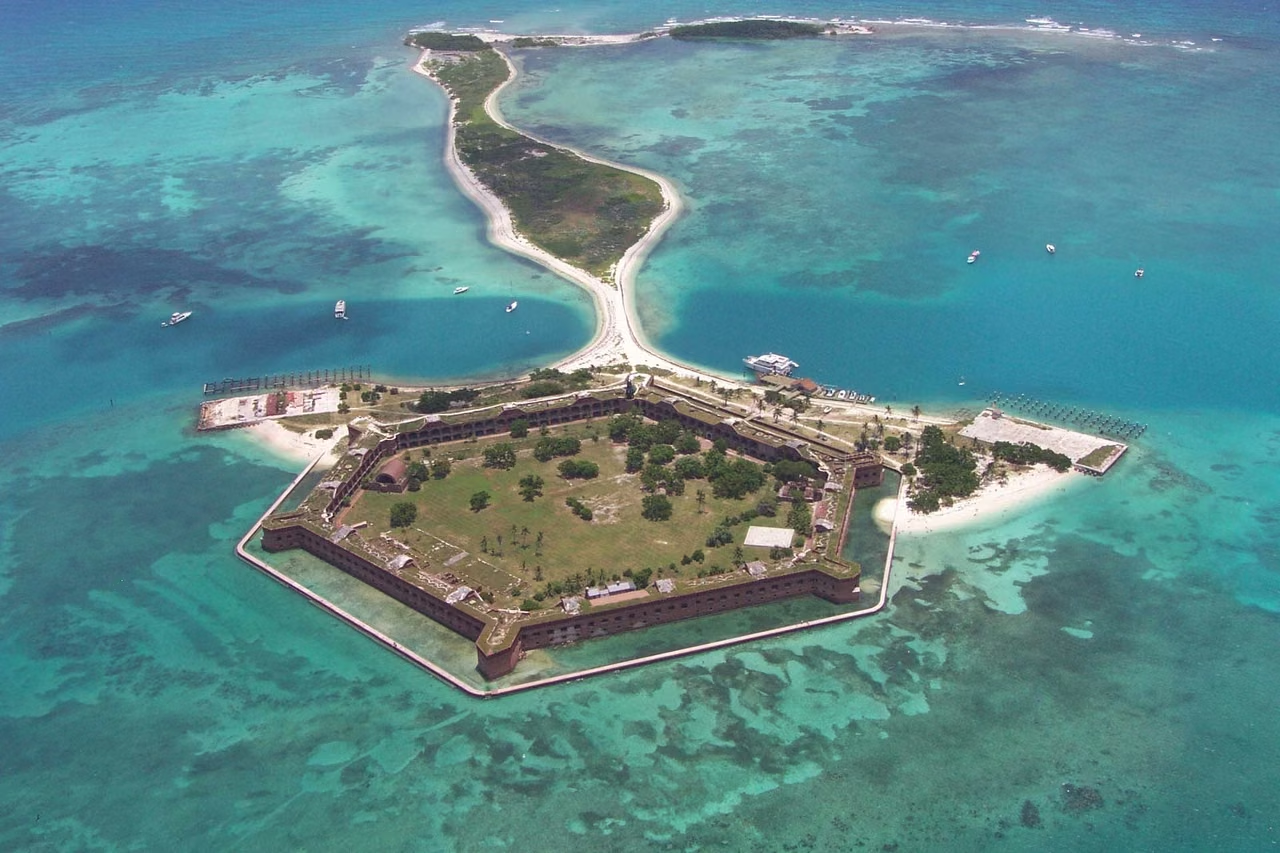
The location of the fortress was related to deep-water anchorages. Ships traveling between the bay, the Atlantic, and the Caribbean could replenish, repair, or seek shelter nearby. The fortress itself, along with the ships that could use the port, formed the defensive arrangements of the time.
Fort Jefferson began construction in the mid-19th century and remained unfinished after prolonged construction. Today, the park protects the island's ecosystem, the fortress, and underwater cultural resources. Salt, wind, and sea water continue to affect the structure, and restoration itself has become a part of its historical story.
Coastal accommodations, port logistics, aerospace engineering, and urban healthcare all rely on different needs. Seasonal bookings during peak tourist periods do not represent orders throughout the year, and the number of annual launches cannot be directly converted into a supplier's procurement opportunities. The specific location of operations and service recipients are always important.
Employment reveals a Florida beyond its familiar tourism and coastal images. Healthcare, retail and dining serve large resident and visitor populations, while professional services, construction and other industries support the continuing work of its metropolitan areas.
The state recorded 645,575 employer establishments and 9,988,508 paid employees. A single company may operate several stores, offices, or factories, so establishments are not a count of registered companies.
U.S. Census Bureau, 2023 County Business Patterns. The series primarily covers private, nonfarm establishments with paid employees. Employment is measured for the pay period that includes March 12. The 2023 release was the latest in this series available when checked; it is not a measure of current monthly employment.
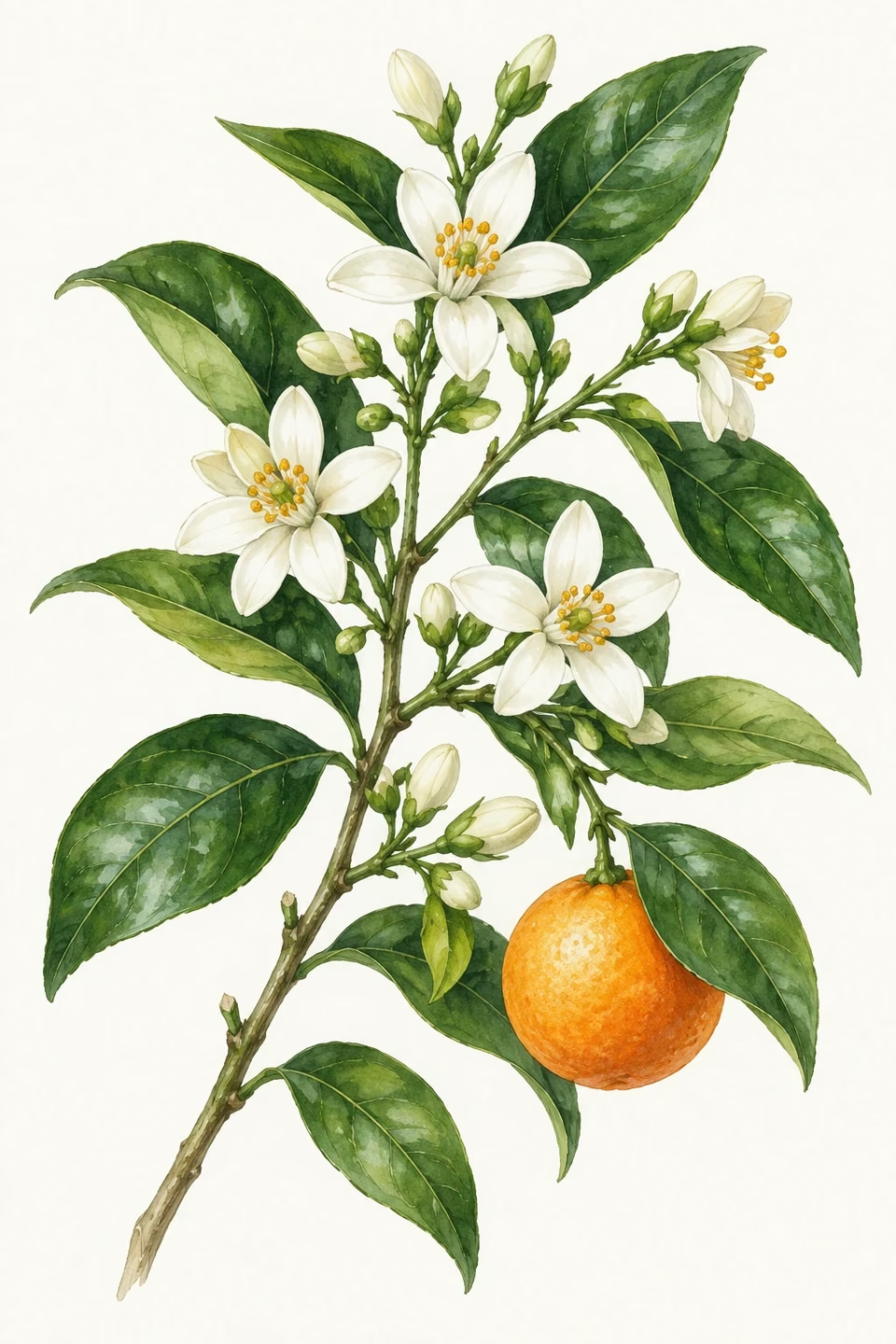
Orange blossom is the state flower of Florida and reminds one of the long connection between this land and orange cultivation. Flowers, orchards, and processing and sales belong to another way of life beyond the beaches.
Here, leaves and flowers are depicted in artistic illustrations to leave a page of quiet botanical details for this coastal feature story.
An editorial feature by STATE.REPORT. Image creators and licenses are credited below.
U.S. Census Bureau: state population estimates for July 1, 2025.
National Park Service: The Seasons and Weather in South Florida.
National Park Service: Estuaries, Ocean Larval Forms, and Coastal Habitats.
National Park Service: Flat terrain, layers of rock, and seasonal water bodies.
Vizcaya Museum and Gardens: Landscape design and architectural details.
Venue Information: Construction History, Coastal Environment, and Heritage Maintenance.
National Park Service: Immigrant Community and History of Cigar Manufacturing.
National Park Service: A History of Harbor, Passage, and Fortifications.
National Park Service: Island, shipwrecks, and historic structures.
NASA: The Mission and Operations of Space Centers.
Sunset over the River of Grass, NPSphoto, G.Gardner (9255157507).jpg · Everglades NPS from Homestead, Florida, United States · Public domain。
Villa Vizcaya 20110228.jpg · Averette · CC BY 3.0。
Orlando, Florida (cropped).jpg · Quintin Soloviev · CC BY 4.0。
Downtown Tampa, Florida.jpg · Clément Bardot · CC BY-SA 4.0。
Dry Tortugas National Park (2b8fb703-4512-4844-8865-41c82776cb0f).jpg · NPS · Public domain。
Artemis I Launch (NHQ202211160010).jpg · Joel Kowsky · Public domain。
7th Avenue in Ybor City, Tampa, Florida, on 16 January 2025.jpg · MatthewHoobin · CC0。