
Louisiana
Between the rivers, life keeps its own rhythm.
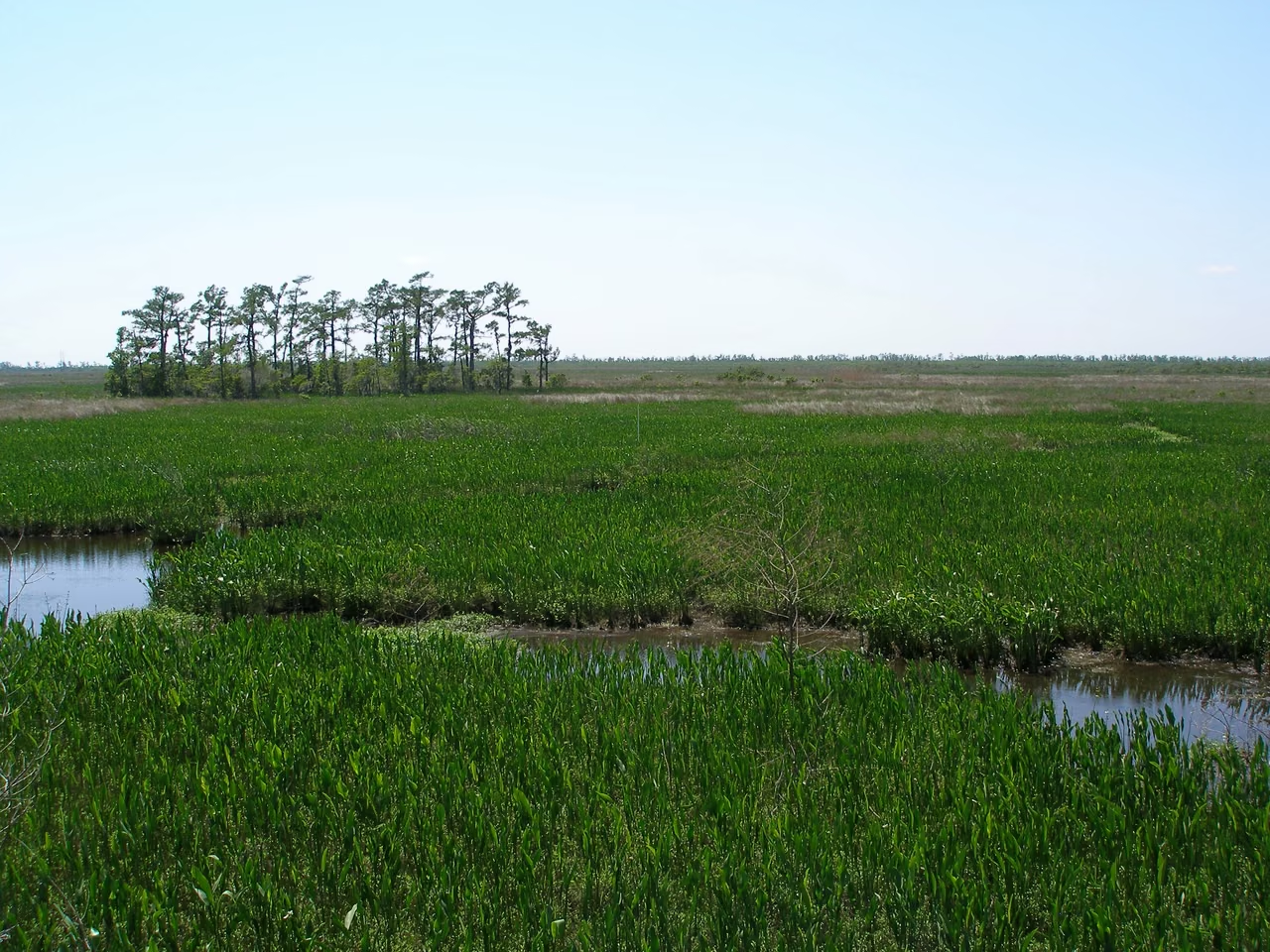
Water shapes the land—and the life upon it.
From Mississippi River docks to deep wetland forests, from New Orleans street music to family tables in Acadiana, the stories of this land are bound to water and the movement of people.
Louisiana is located in the southern United States. Rivers connect the interior with the bay, and industries along the rivers, maritime transport, and coastal fishing each have their own pace. Away from the big cities, swamps, farmland, and small towns reveal another kind of daily life.
One river, many landscapes.
The Mississippi River Delta formed through the long accumulation of sediment carried by the river. Low alluvial plains, natural levees and wetlands define much of southern Louisiana. Within Barataria Preserve, bottomland forest, swamp and marsh lie close together; small differences in water level and elevation change the habitat.
Know this by both how waterways connect cities and how residents coexist with wetlands. Rivers move goods, and the coast offers fishing resources. Production, transportation, and community life are always influenced by weather and water conditions.
One city, many voices.
Port, block, table, and band compose the intertwined city life.
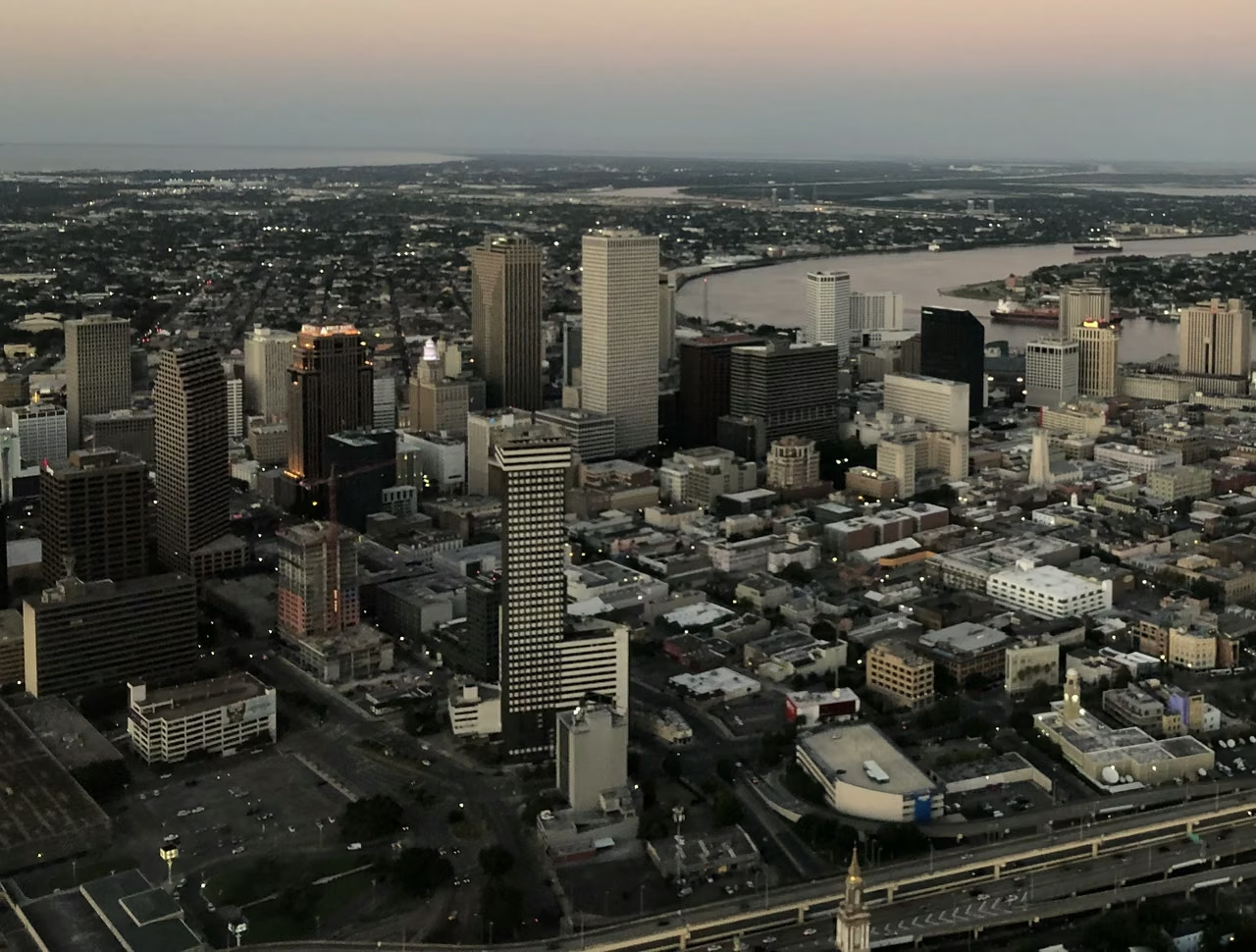
From the street to the world.
The early history of jazz is closely tied to the African American community of New Orleans and the meeting of African, Caribbean, and European traditions. Bands first appeared in parades, parties, and funerals; initially, the music belonged to community gatherings and public life before it ventured onto a larger stage.
Mutual organizations, block parties, and regular performances provide opportunities for musicians to work and interact. To get to know jazz, start with these specific scenes: who organizes the activities, who performs for the community, and how people come together through music.
Language and food, carried to a new home.
The French tradition in the southern Louisiana is not a single story. One important part of it is the migration of the Acadia people.
In 1755, British authorities began expelling the residents of Acadia. Some migrated to Louisiana, where they resettled in river valleys and prairies. They adapted to the different natural environments by fishing, hunting, farming, and herding.
After settling here, Acadians came into contact with Indigenous peoples, free people of color, enslaved Africans and their descendants, and other immigrants. Language, housing, food and music changed through these encounters, gradually shaping what is now known as Cajun culture.
Lafayette offers an introduction to Acadiana. Local culture exists alongside energy-related engineering services and neighborhood businesses. Music and food are part of everyday life, as well as a way for visitors to begin understanding the region.
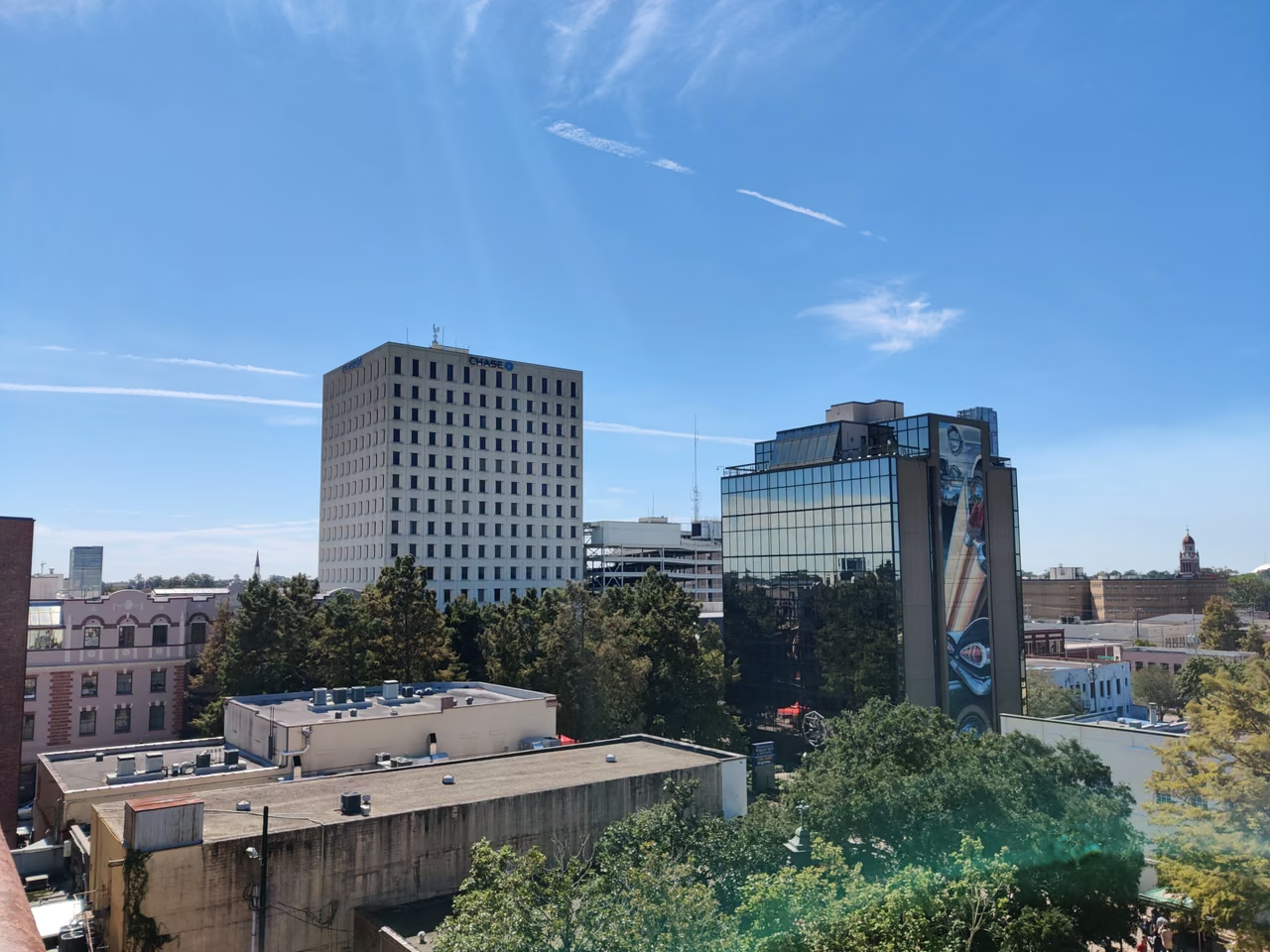
Cajun and Creole are not interchangeable.
Cajun culture is closely tied to the migration history of the Acadia people; Creole history in Louisiana is more complex, involving different ethnic groups, languages, and family traditions. To understand specific communities, it's best to start from the local people's lives and historical records, rather than generalizing everyone with a single label.
Houses, fields, and the people behind the names.
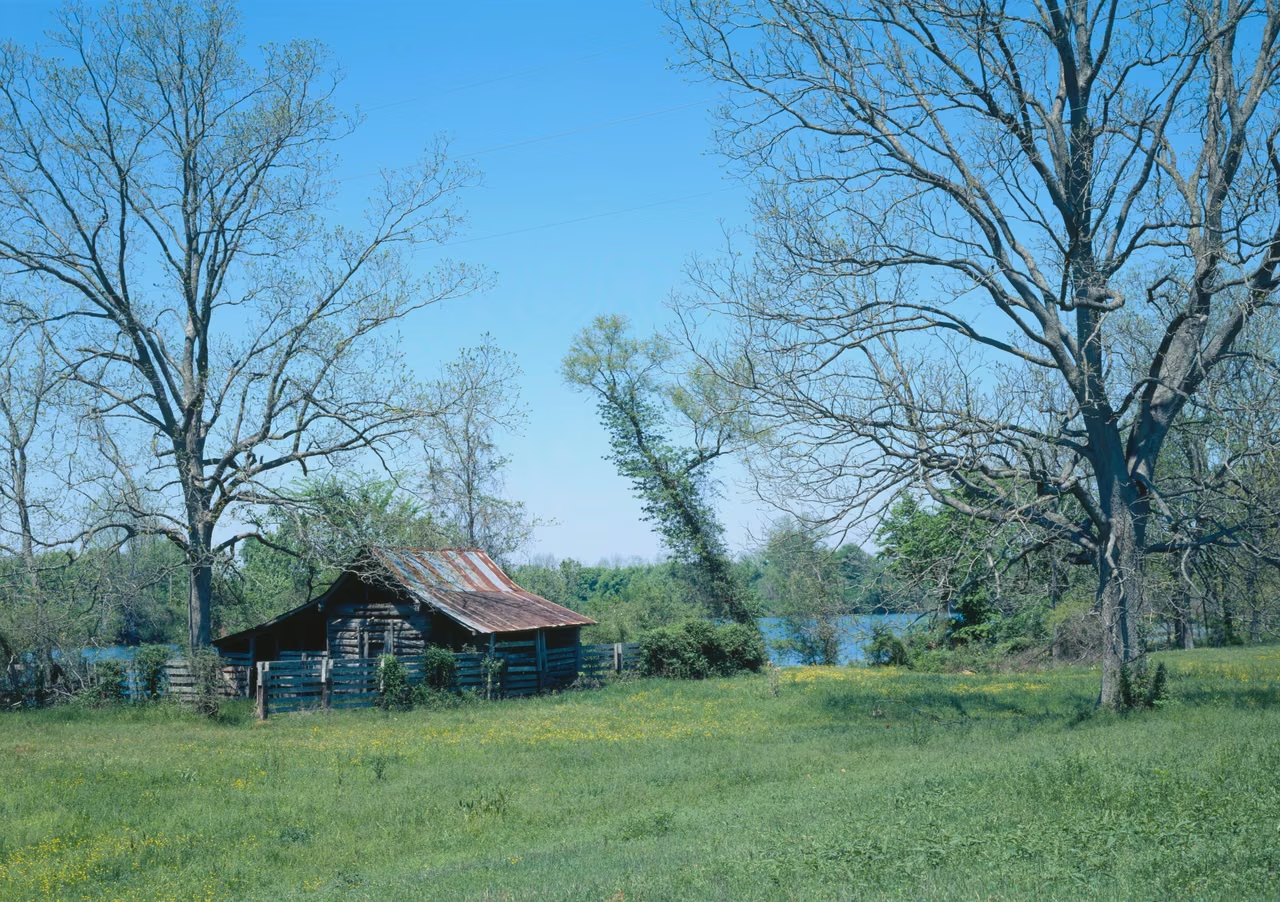
Cane River Creole National Historical Park preserves places including Oakland and Magnolia plantations. Their history extends beyond plantation architecture to the lives of enslaved people, tenant farmers and their descendants. Houses, fields and family memories help bring these different experiences into view.
This region's history is intertwined with Indigenous, French, Spanish, and African traditions. Creole culture transcends simple ethnic divisions; visiting these places also requires confronting the history of the plantation system and slavery, not just admiring the appearance of ancient buildings.
Riverside work reaches into the neighborhoods.
Cruise passenger embarkations and disembarkations
Where ocean routes meet inland waterways.
The Port of New Orleans reported 1,067,407 cruise passenger movements in 2025. A cruise journey connects terminals, ground transport, lodging and dining, with different businesses responsible for each stage.
This number records port passenger entries and exits, not unique visitor counts nor the total tourism of the state. For local businesses, departure schedules, stay times, and actual arrival routes are closer to daily operations than a yearly total.
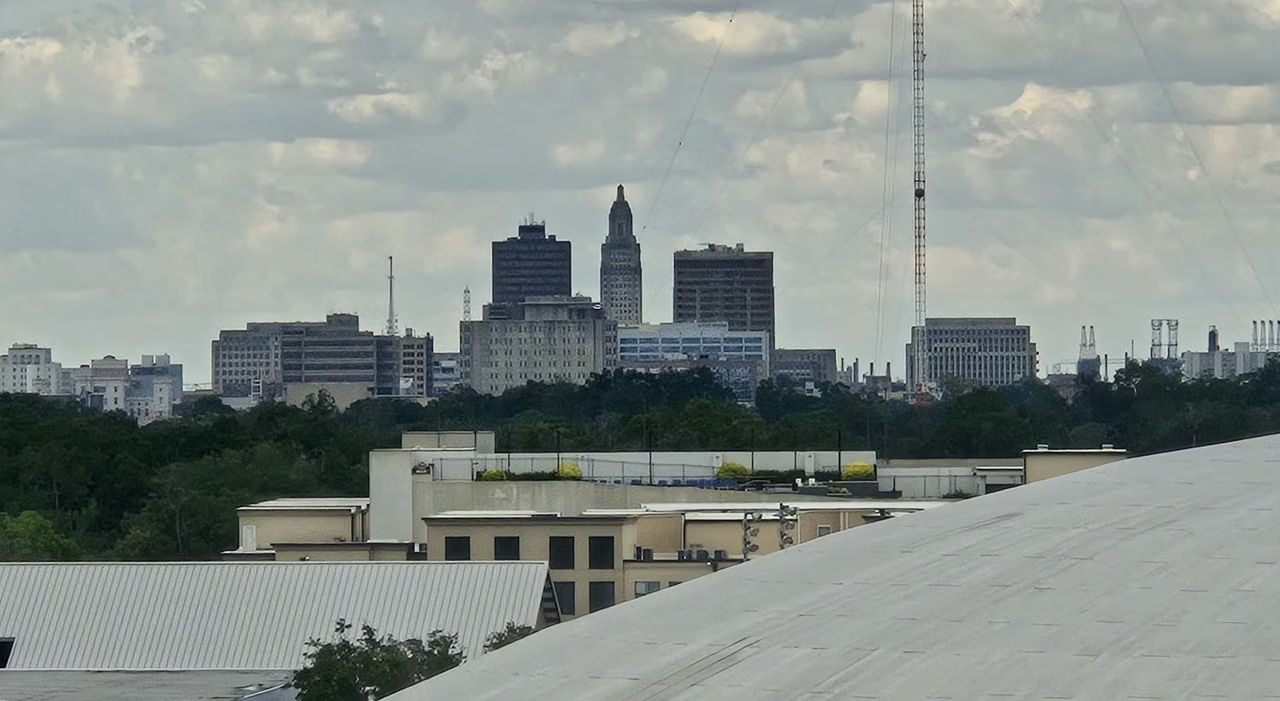
The capital and its industries set a different rhythm.
The public affairs, universities, and industrial corridor along the river coexist in Baton Rouge. Petrochemical facilities require engineering, inspection, equipment maintenance, and safety services; these services are closely tied to the location, project timeline, and site requirements of the facilities.
The port handles both river, road, and rail connections. Coastal fishing and seafood processing require cold chains and distribution channels. To understand business in Louisiana, one shouldn't focus on just one industry but also on how it connects with its upstream and downstream sectors.
The unemployment rate in the state, as published by the Bureau of Labor Statistics, fell from 4.4% in July to 4.2% in August. This represents the monthly indicator for the state's labor market; hiring for engineering staff, hotel employees, or restaurant service personnel still varies based on specific cities and positions.
Industries & establishments · 2023
Beyond the signature industries, everyday services.
In 2023, the state had 108,561 employer establishments and 1,697,330 paid employees. Healthcare and social assistance employed the most people among the listed industries, accounting for about 18.0% of the statewide total in this dataset. Retail, accommodation, and food services also supported substantial employment.
Industrial projects and port businesses attract a lot of attention, but hospitals, stores, and restaurants also contribute to the local economy. Services oriented towards residents, especially, require an understanding of a specific city's population, traffic, and surrounding facilities.
U.S. Census Bureau, 2023 establishment statistics. The series primarily covers private nonfarm establishments with paid employees; employment refers to the pay period including March 12. Establishments are not registered companies: one company may operate at several locations. The 2023 release was the latest available in this series when the page was checked.
From local industries to individual businesses.
Search companies on STATE.REPORT ↗A page for the flowers of the South.
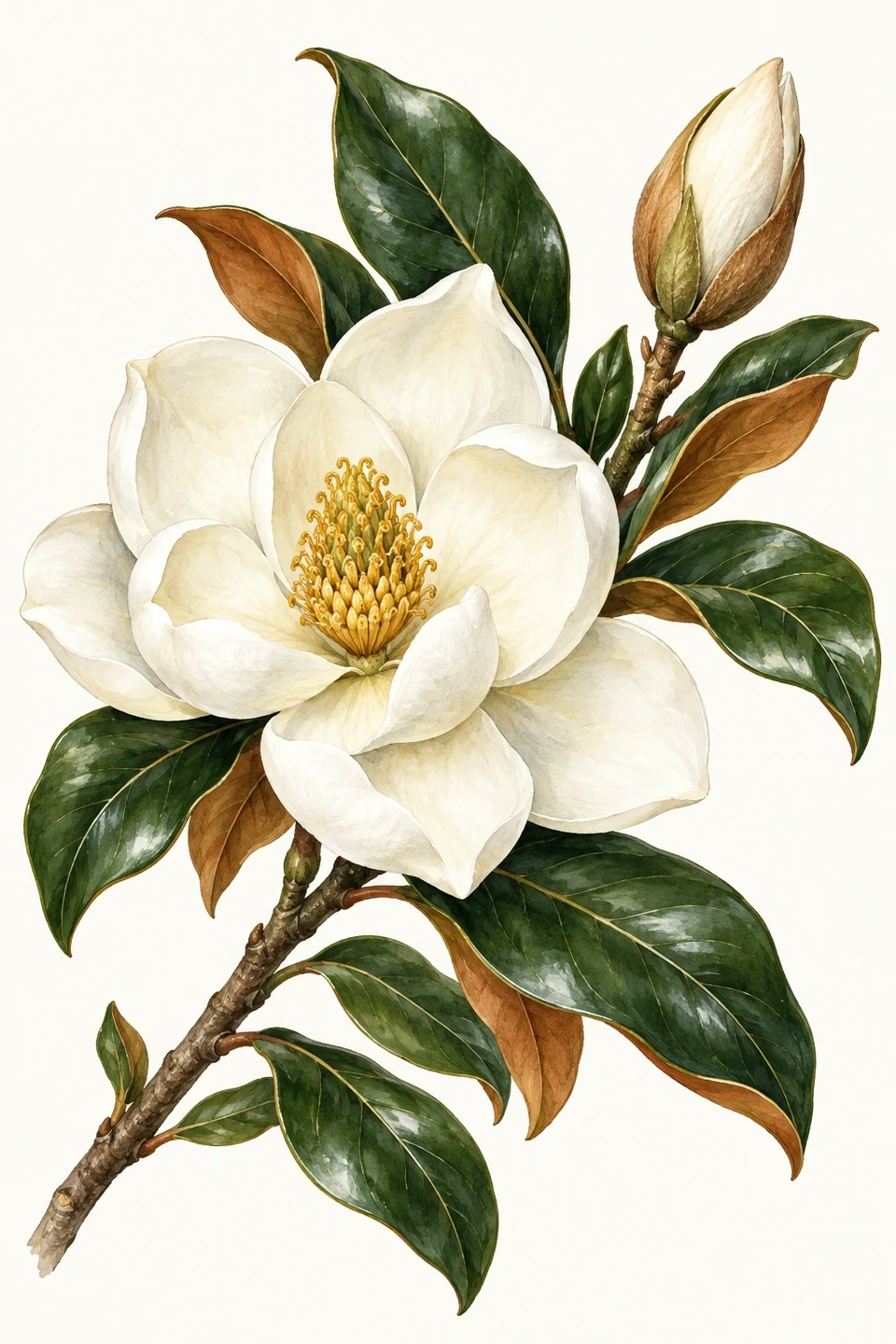
Magnolia is the state flower of Louisiana. Its thick white petals against deep green leaves capture the story of the rivers and cities, settling on a quiet natural detail.
This page features magnolia leaves in watercolor art as the state flower.
An editorial feature by STATE.REPORT. Image creators and licenses are credited below.
Sources & further reading
Population figures on this page are estimates for July 1, 2025. Population change is measured against the 2020 estimates base from the same series.
Sources for the historic places, cultural background and geography discussed here. See alsoNational Park Service resources for this state。
A List of State Flowers and an Index to Primary Sources; This page also presents the state flower in artistic illustrations.
National Park Service: New Orleans' community life, formation of brass bands, and jazz.
National Park Service: Migration, settlement, and changes in southern Louisiana culture.
National Park Service: The Mississippi River Delta, alluvial plains, and wetland environments.
National Park Service: Creole culture, historical buildings, and the memories of local families.
Image credits & licenses
Barataria wetlands · Mphornet · Public domain.
New Orleans · George Bannister · CC BY 2.0.
Baton Rouge · Spatms · CC BY-SA 4.0.
Lafayette · TheLionHasSeen · CC BY-SA 4.0.
Cane River Region Historic Buildings · James W. Rosenthal · Public domain. On the webpage.