STATE.REPORT
Northern Great Plains · Land and lifeA wider horizon. A deeper history.

North Dakota

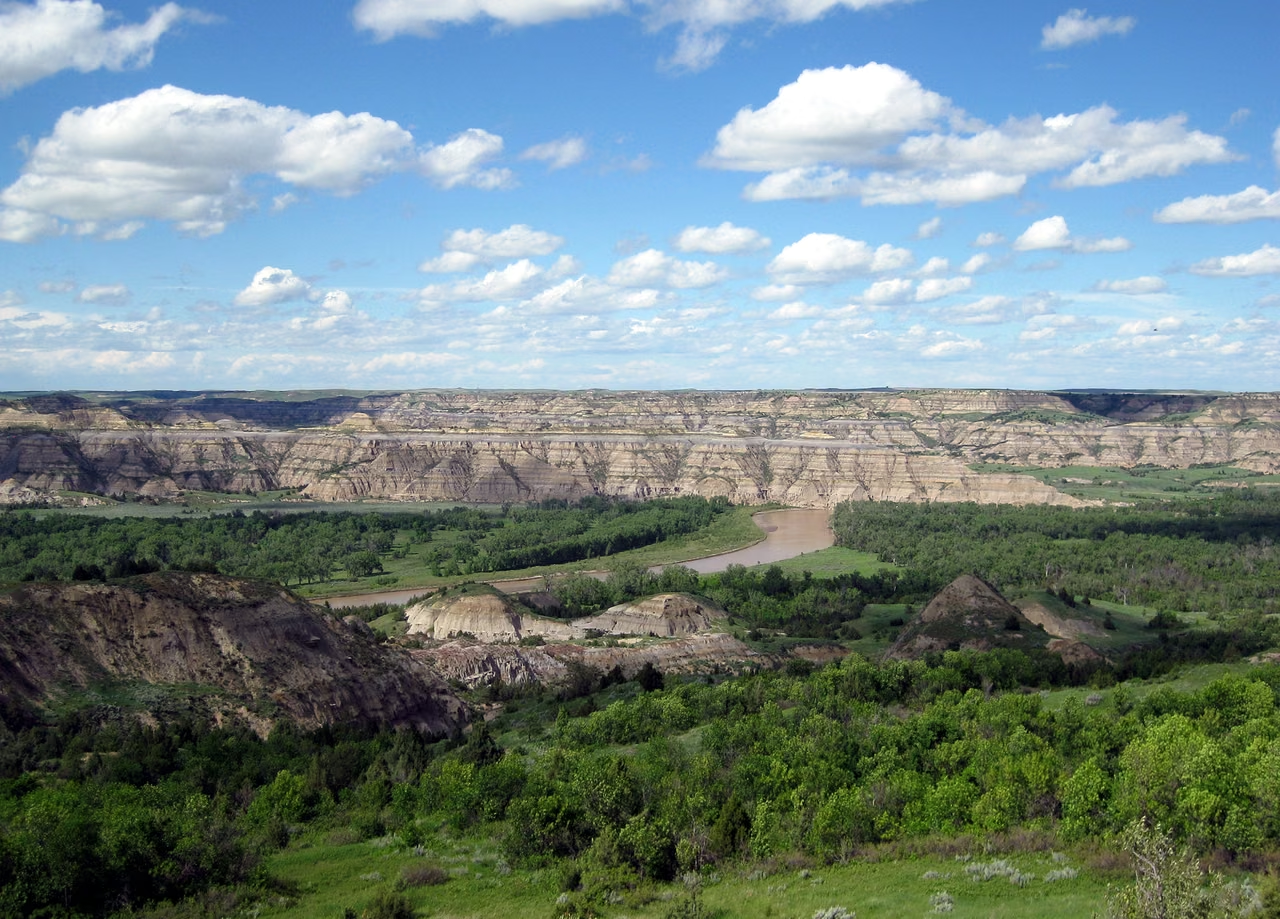
Theodore Roosevelt National Park · Little Missouri Badlands
Strata

Ancient forests, wetlands, and rivers remain in the rock walls of today.

Prairie

Bison, farms, and villages have left different histories on the same broad landscape.

Life

From river valleys to cities, discover a North Dakota still changing.

Water-cut hills and level ancient lakebeds; earthlodges and universities, theaters and new industrial facilities. The open horizon is only a first impression. How people inhabit, cultivate, and remember the land gives the plains their particular character.

State capitalBismarck
Population · 2025 estimate799,358 people
Badlands · A page from the earth’s past

Different ages color the rock.

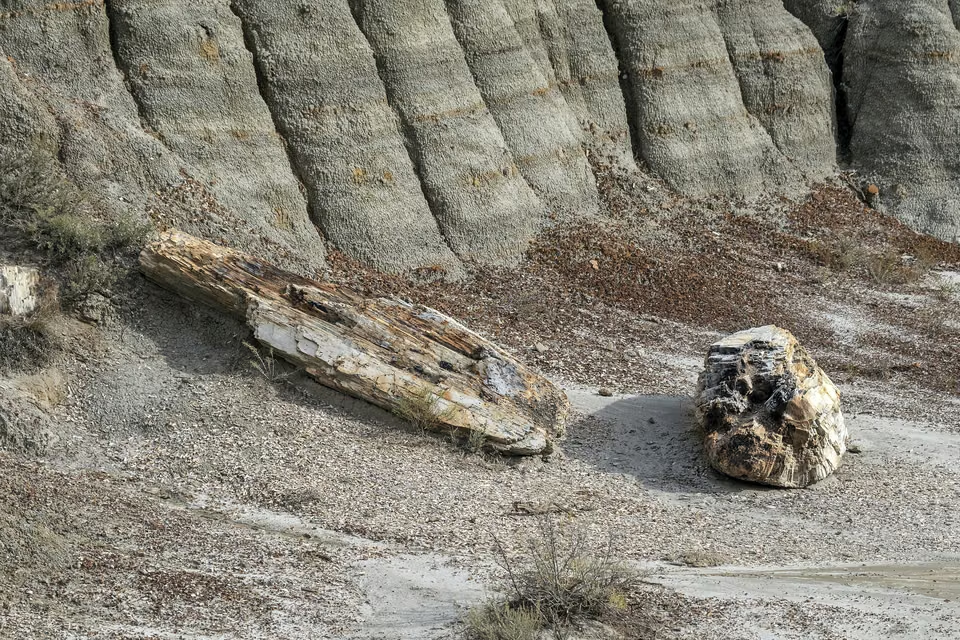
Theodore Roosevelt National Park · Petrified wood beneath layered cliffs

Today’s dry hills were once a wet landscape.

The park’s geological account begins more than sixty million years ago. Rivers, swamps and forests left sediments; plant remains formed lignite, while minerals preserved trees under particular conditions as petrified wood.

Later, uplift and river erosion continually reshaped the landscape. Harder rock layers protected softer materials below, forming terraces, isolated hills, and peculiar features; coal burning nearby could also turn the rocks a reddish hue.

Badlands are not lifeless. Different slopes, soils and moisture levels support grasses, shrubs and pockets of woodland. A landscape that looks empty from afar reveals many layers at close range.

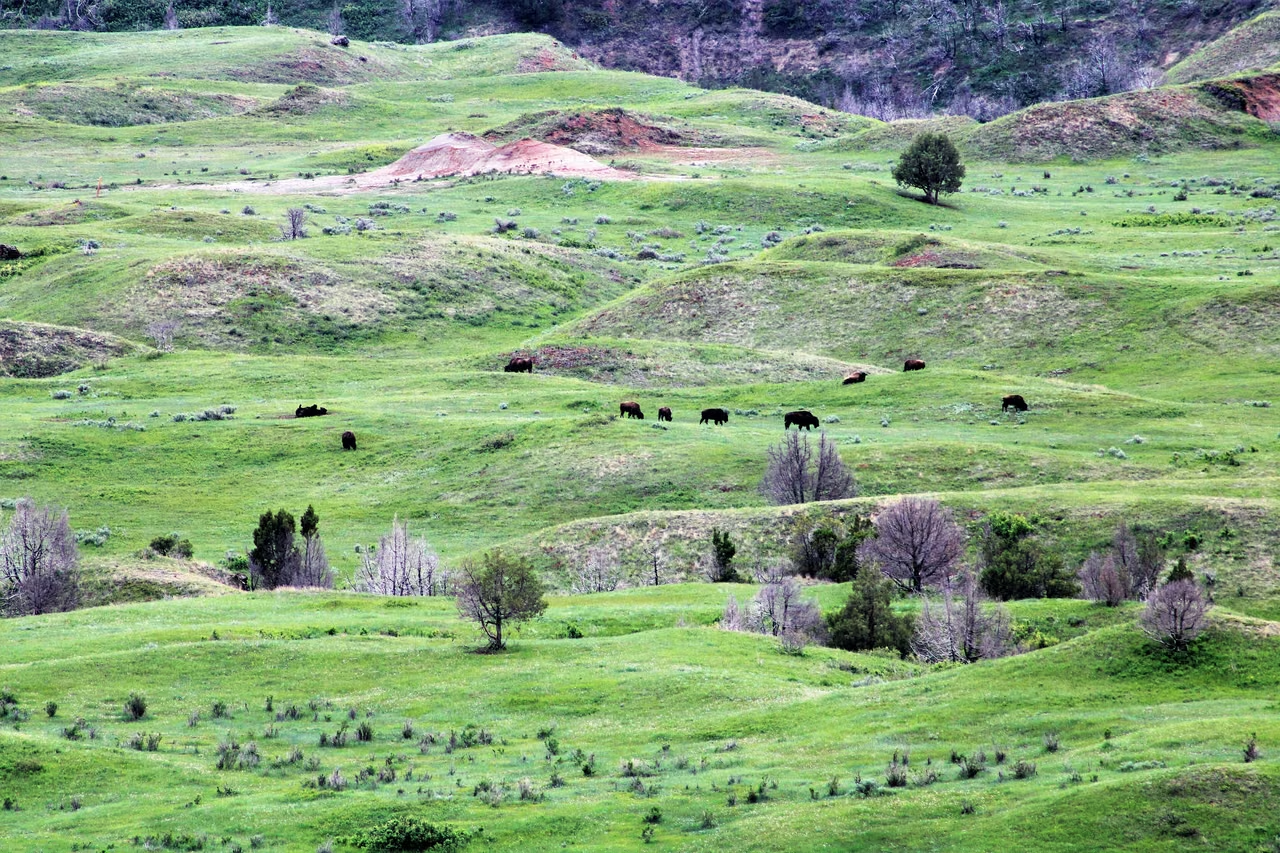
Theodore Roosevelt National Park · American Bison
Wildlife Life: Bison

Returning to the prairie is not the end of the story.

Bison once provided food, clothing, and tools for the original inhabitants of the Great Plains. Mass hunting in the 19th century nearly drove them to extinction, and it disrupted the way of life that depended on them.

In 1956, 29 bison were brought from a Nebraska refuge to Theodore Roosevelt National Park’s South Unit; some were moved to the North Unit in 1962. Management today still involves balancing grazing capacity, animal health, and herd size.

Keeping a safe distance is part of protecting bison. They remain wild animals, and the prairie is their habitat, not a setting for close encounters.

Knife River villages · Hidatsa life

A home built around a hearth.

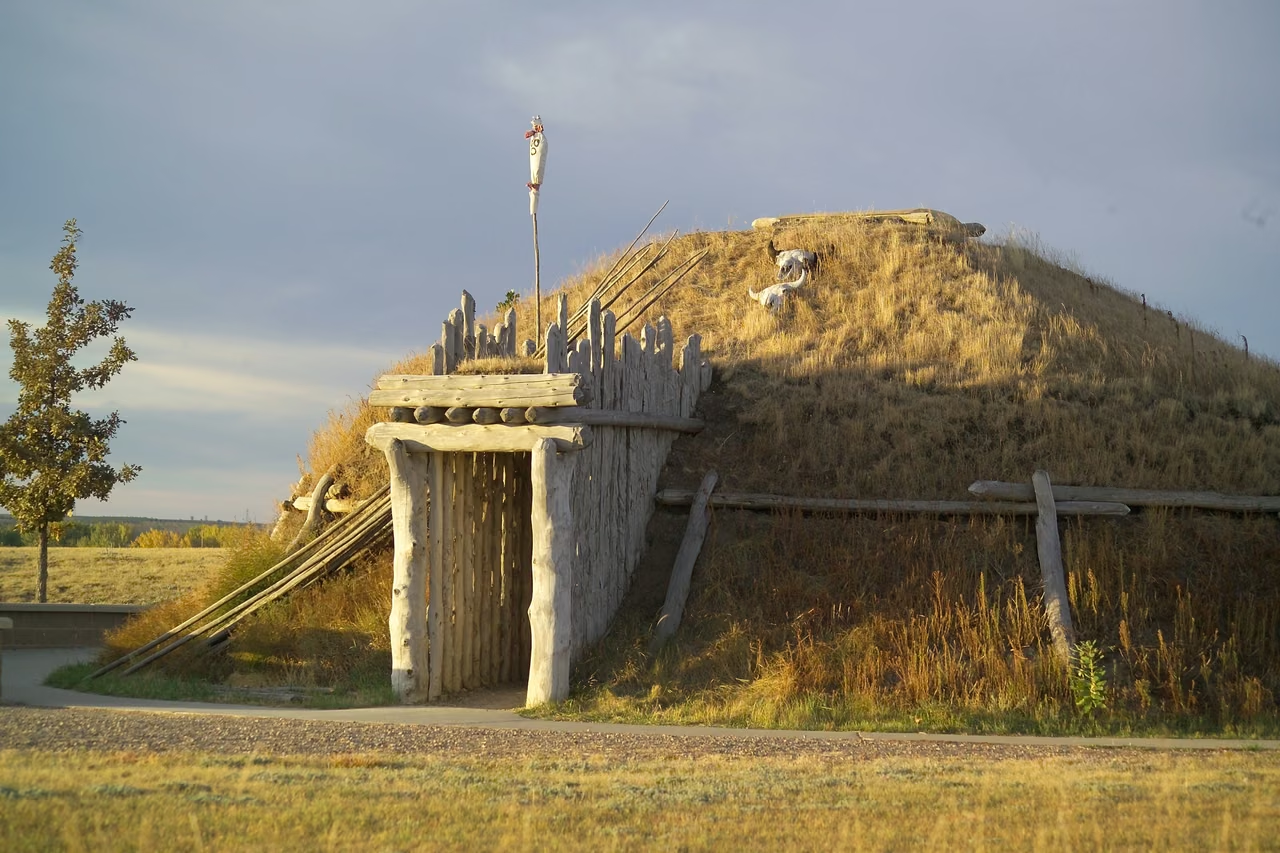
Knife River Indian Villages National Historic Site · Reconstructed earthlodge
Construction

Knowledge passed down by women.

In traditional Hidatsa society, women owned and maintained earthlodges. Older women with building expertise directed the use of posts, beams, willow, grass and earth, creating homes suited to life on the northern plains.

Storage

Farming as part of home life.

Underground storage pits preserved dried corn, beans, squash, and sunflower. Gardens, drying racks, and dwellings composed the spatial arrangement of settled agriculture, and one cannot reduce the history of the plains to nomadism following grasslands.

Continued

Village life does not belong only to the past.

The shallow hollows at the site mark the location of the old earth houses; reconstruction of the buildings helps people understand the structure and way of life. The contemporary communities of Mandan, Hidatsa, and Arikara still tell their own culture and history of the land.

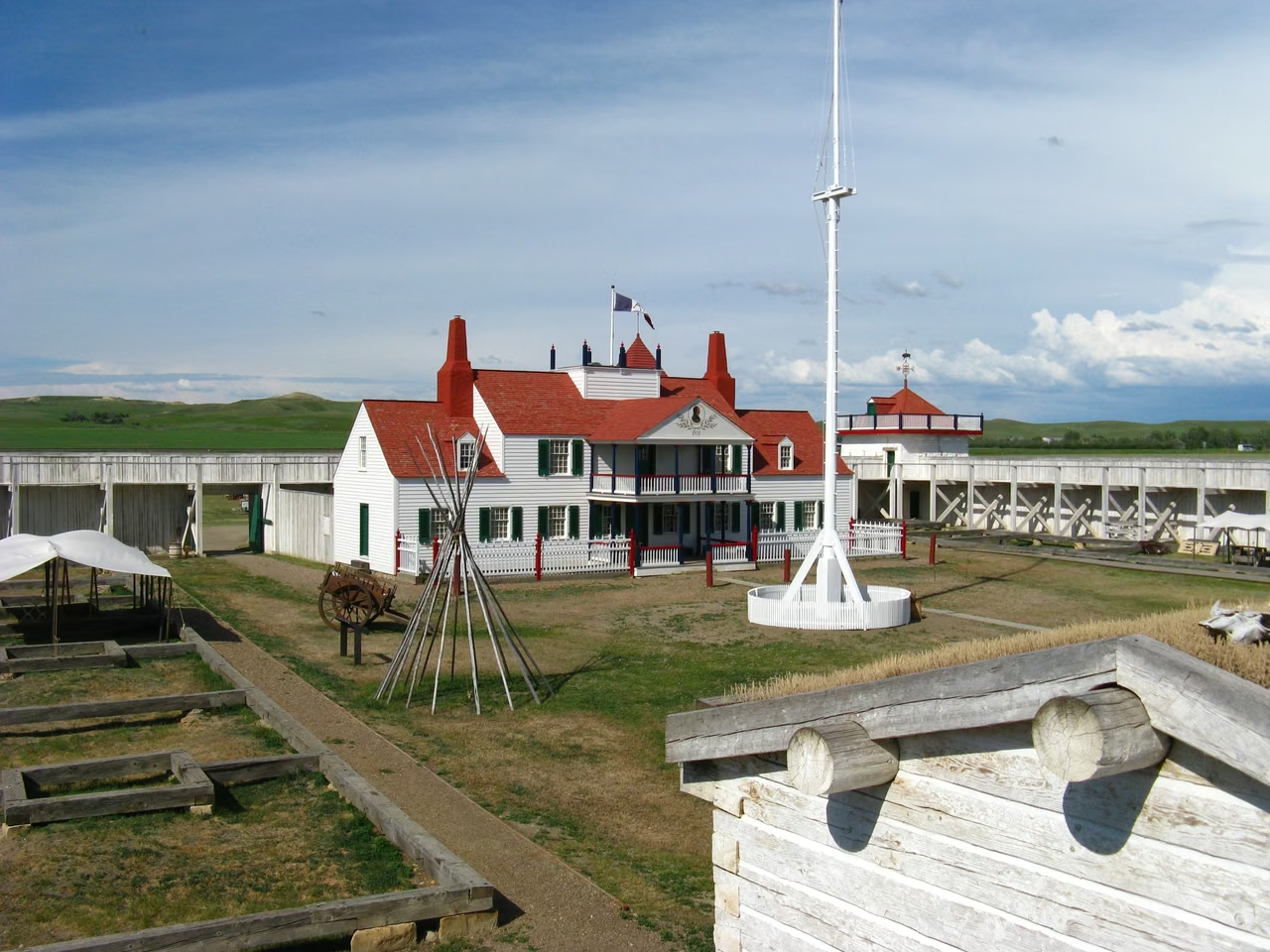
Fort Union Trading Post · Reconstructed historic buildings
Upper Missouri River · Trade and travel

Rivers connected distant markets.

Despite its name, Fort Union was a commercial trading post, not a government military installation. In the nineteenth century, Assiniboine and other Northern Plains peoples exchanged furs, cloth, metal tools, and other goods here.

Trade relies on shipping, translation, negotiation, and long-term relationships. The beads, fabrics, and tools displayed illustrate that transactions along the riverbank have long been connected to further production and consumption.

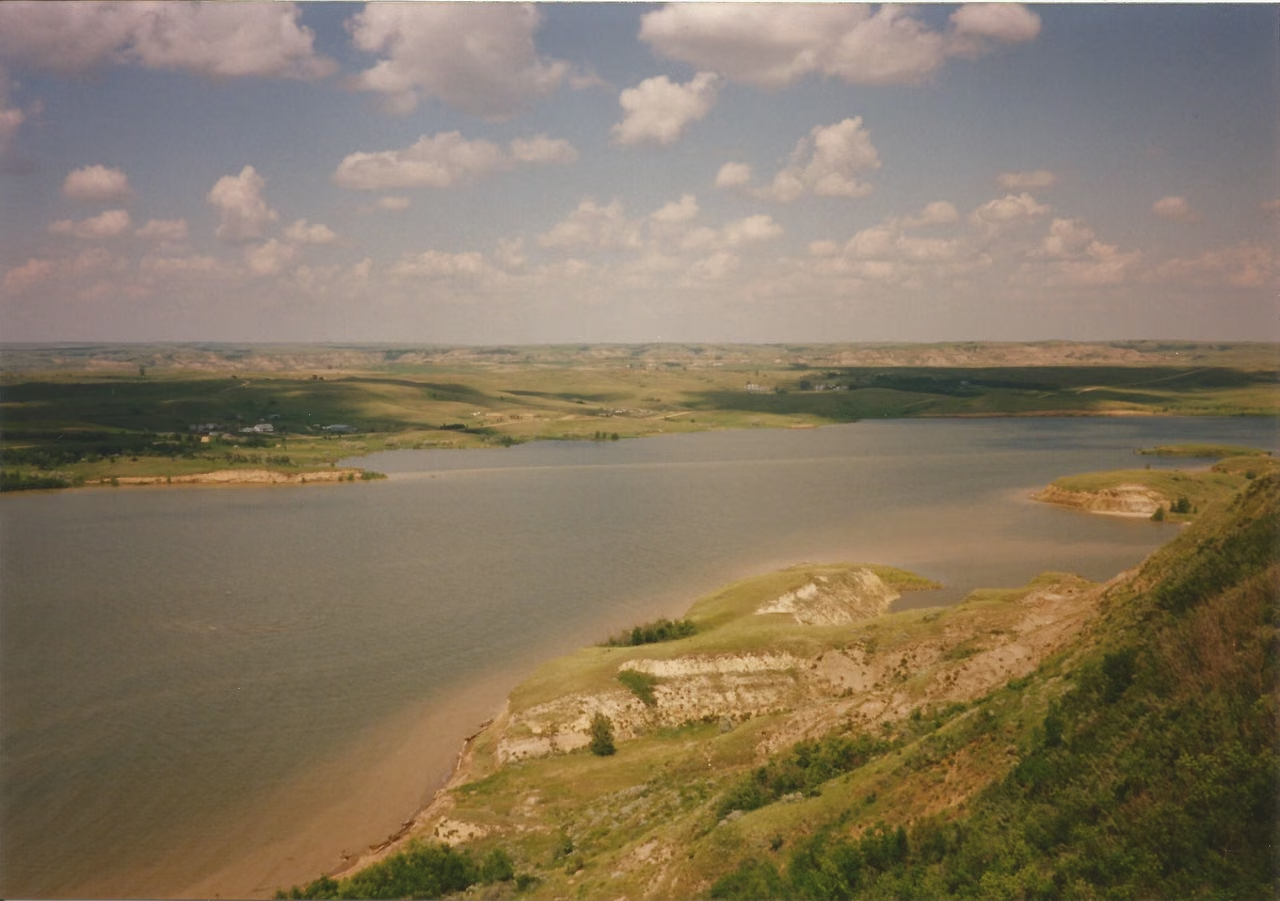
Lake Sakakawea · A view from the shore

A lake surface above a complicated history.

Lake Sakakawea is a reservoir formed by Garrison Dam. It altered the waterways and ecosystems along the Missouri River, and it forced tribal communities to experience land submergence and relocation.

When appreciating the lake shore, one should also read the stories of the original settlements. The historical records of the Mandan, Hidatsa, and Arikara tribes imbue the surface of the water with meanings of engineering, ecology, and home.

Agriculture · Agriculture Sales in 2025

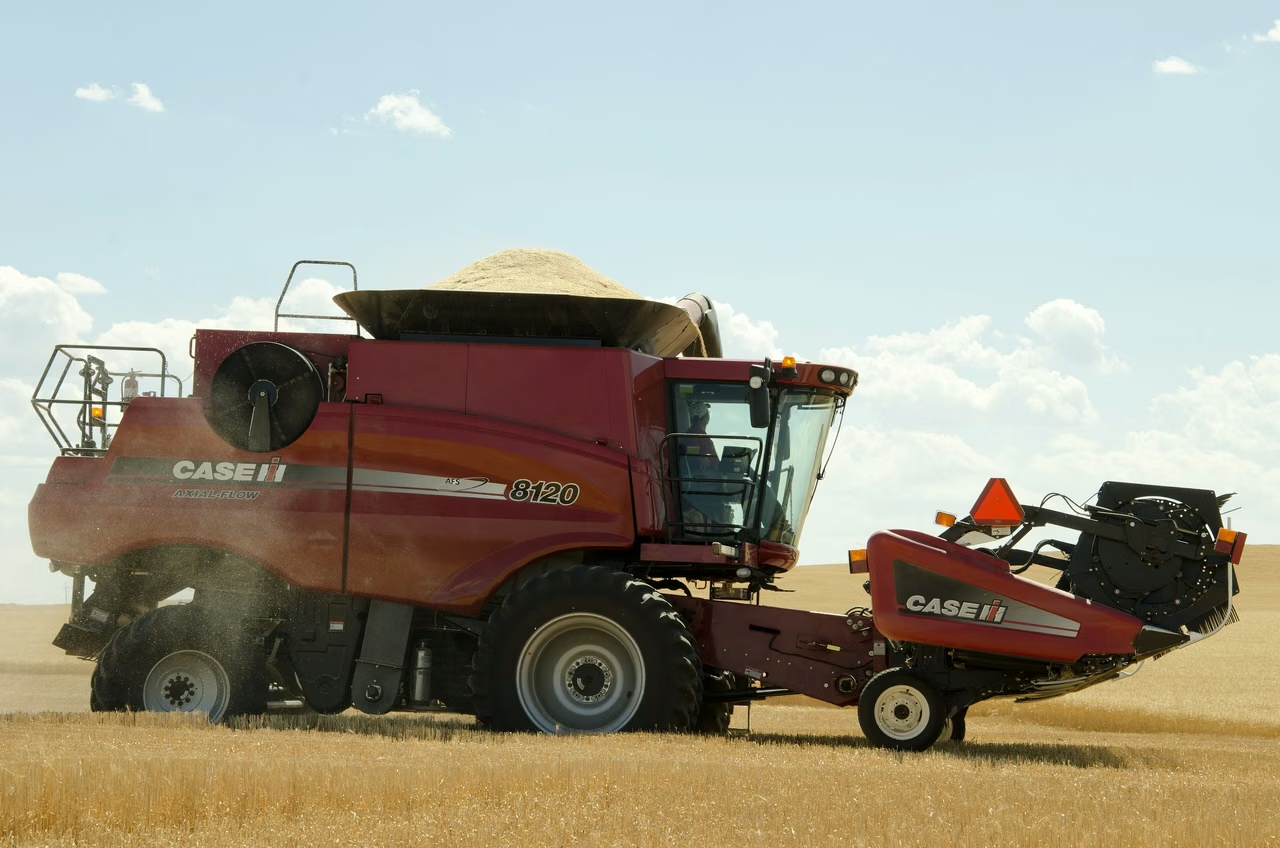
The harvest supports work throughout the year.

Farm near Beach · Winter wheat harvest
$10.804billionAgricultural cash receipts in 2025

The September 2026 updated state estimates by the U.S. Department of Agriculture show that North Dakota's agricultural cash receipts are approximately $10.804 billion. Of this, corn is about $2.163 billion, soybeans are $2.154 billion, and wheat is $1.869 billion. Cattle and calves amount to $1.769 billion.

These amounts reflect sales of different products, not farm net income. Price, yield, timing of inventory sales, and costs such as seeds, fuel, machinery, and transportation work together to affect the results.

Agricultural services extend beyond the field. Storage, drying, grain quality inspection, equipment maintenance, and transportation all have their own seasonal schedules and professional requirements.

U.S. Department of Agriculture Economic Research Service Agricultural Income and Wealth Statistics, published September 3, 2026; 2025 state estimates, original units are in thousands of dollars, amounts are shown in approximations.

Subterranean Resources · June 2026

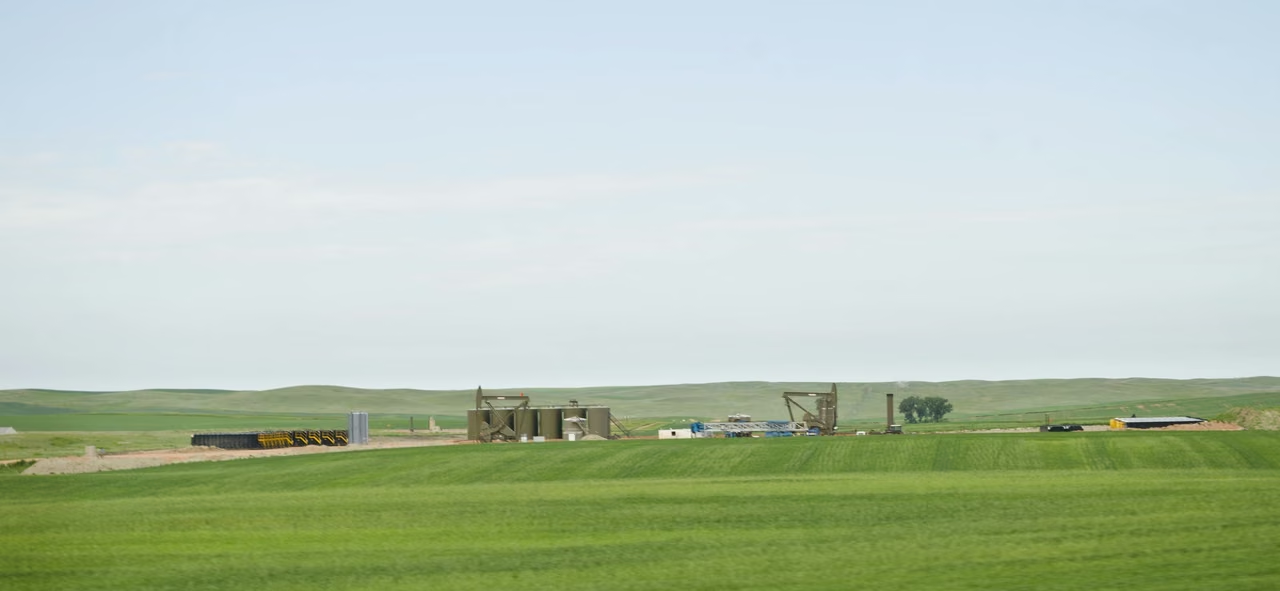
Beyond the wells, gathering systems and maintenance.

1.1528million barrels per dayStatewide average daily crude oil production in June
Near Arnegard · Installation of pumping equipment, 2013

The state mineral resources department's August 20 monthly report put June crude oil production at an average of 1,152,796 barrels per day, about 2.45% above May. The Bakken and Three Forks formations together accounted for approximately 97.6% of state output.

Behind the production numbers are roads, equipment, pipelines, gas treatment, and field services. The monthly report also publishes a statewide gas capture rate of 95.5%, indicating that energy operations involve not just extraction but also the disposition of associated gases and infrastructure.

For related companies, production, rig count, price, and engineering orders are not the same metric. Service opportunities need to be understood in conjunction with the region where the project is located, facility conditions, and contract arrangements.

North Dakota’s mineral resources department, released August 20, 2026, covering June production. July figures were scheduled for September 21 and are not used here before publication. The photograph shows historical construction work.

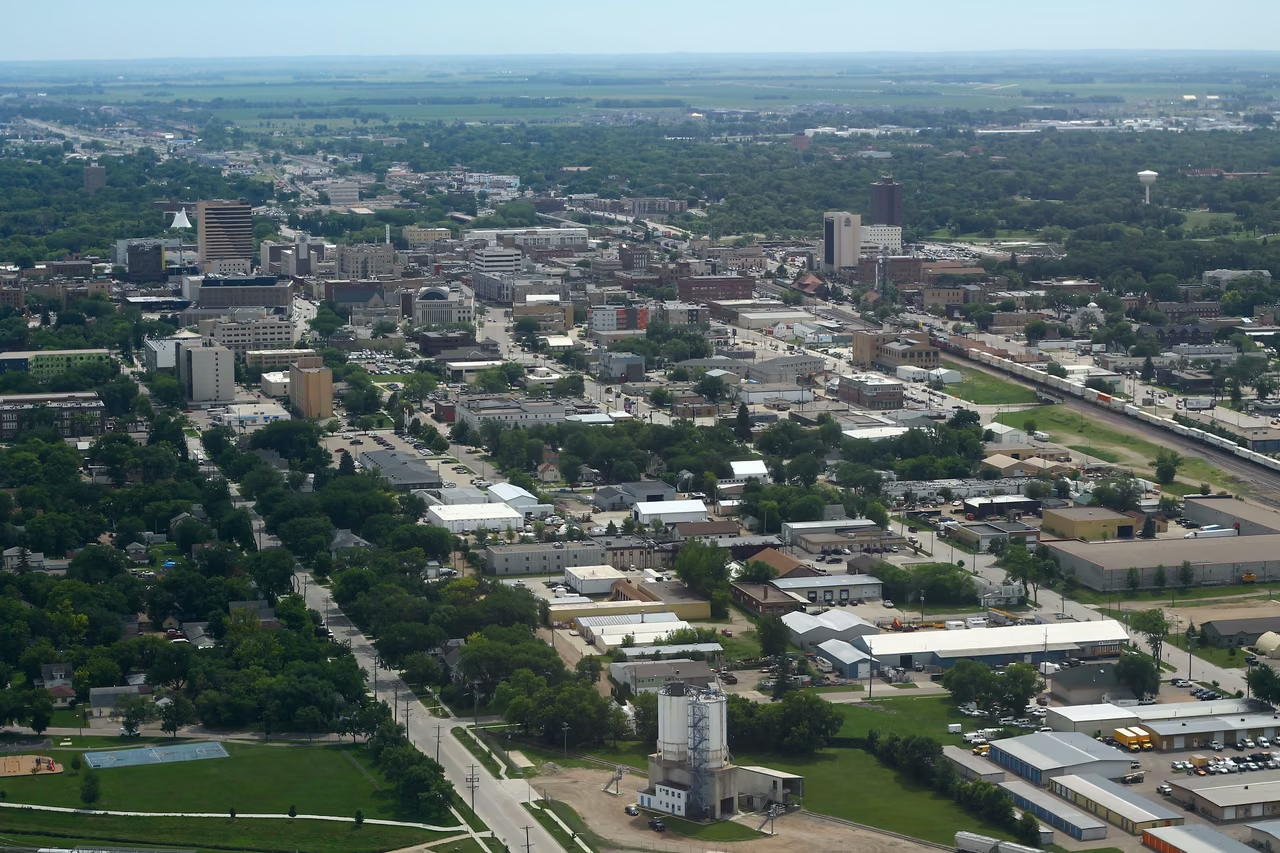
Fargo · City life on the Red River

Open plains, close-knit city life.

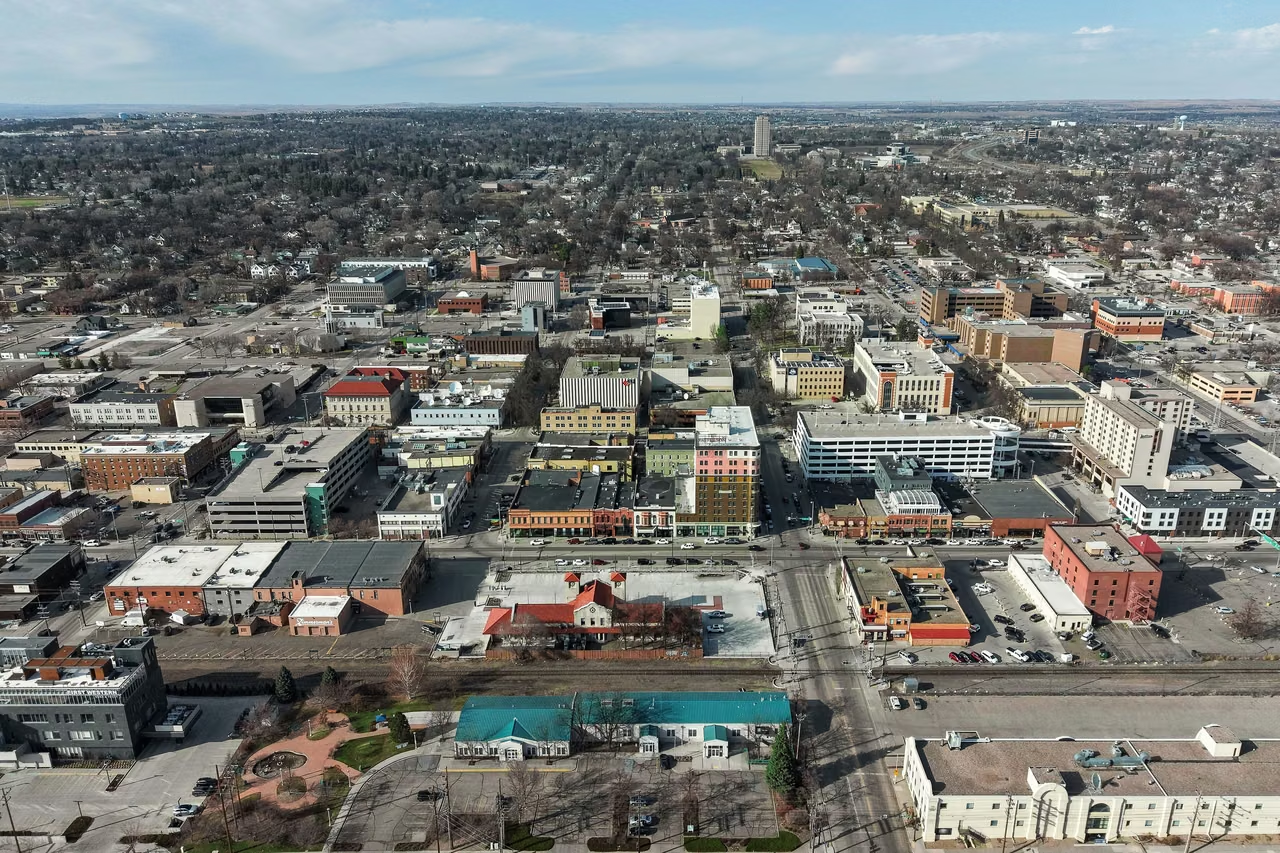
Fargo City Center · Cityscape to the Southeast
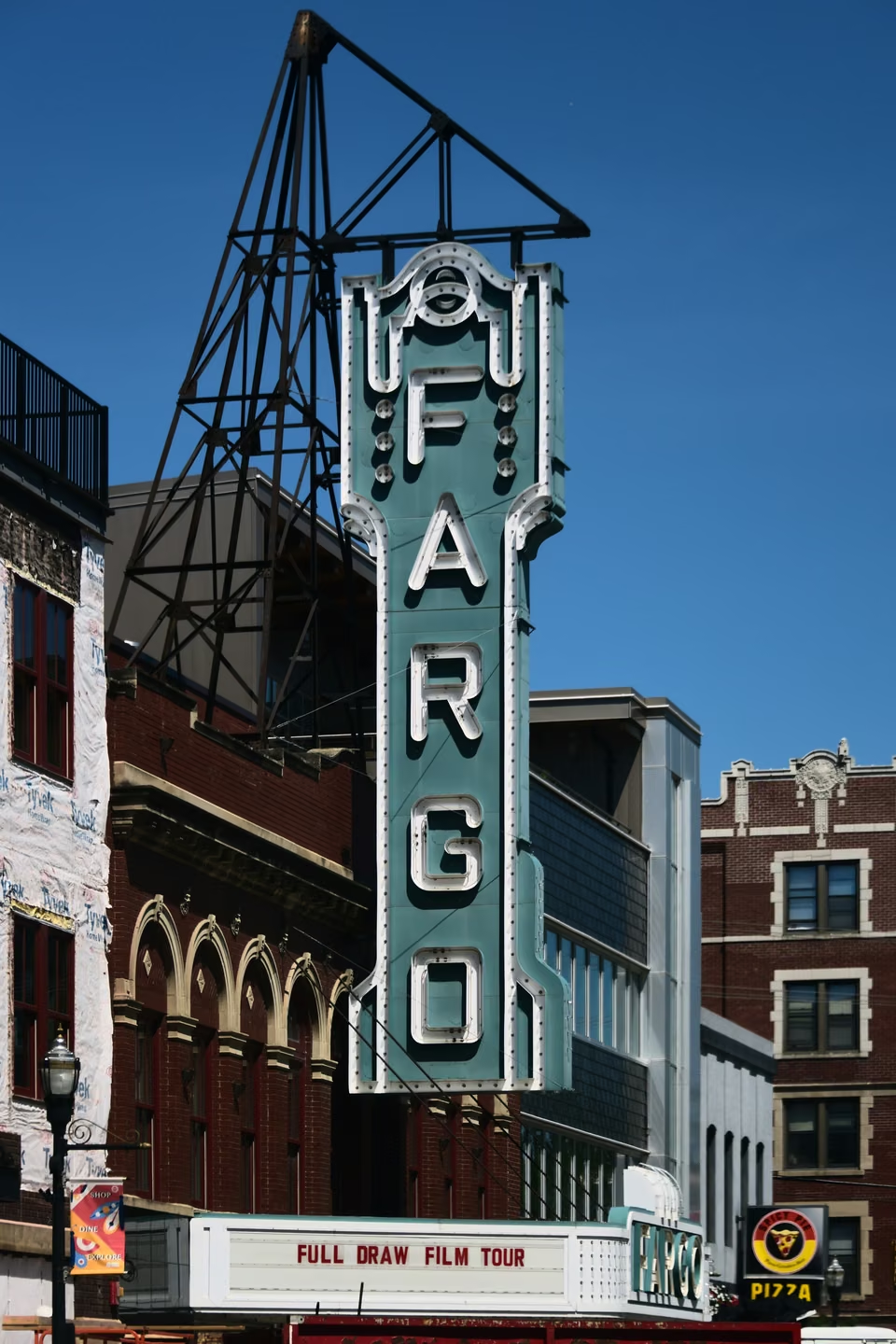
Fargo Theater · Main Street Historical Sign

A film to see. A class to take.

Opened in 1926, the Fargo Theatre originally combined movies with vaudeville. Today it screens independent and foreign films and hosts live events. Its marquee marks both a city landmark and an active cultural venue.

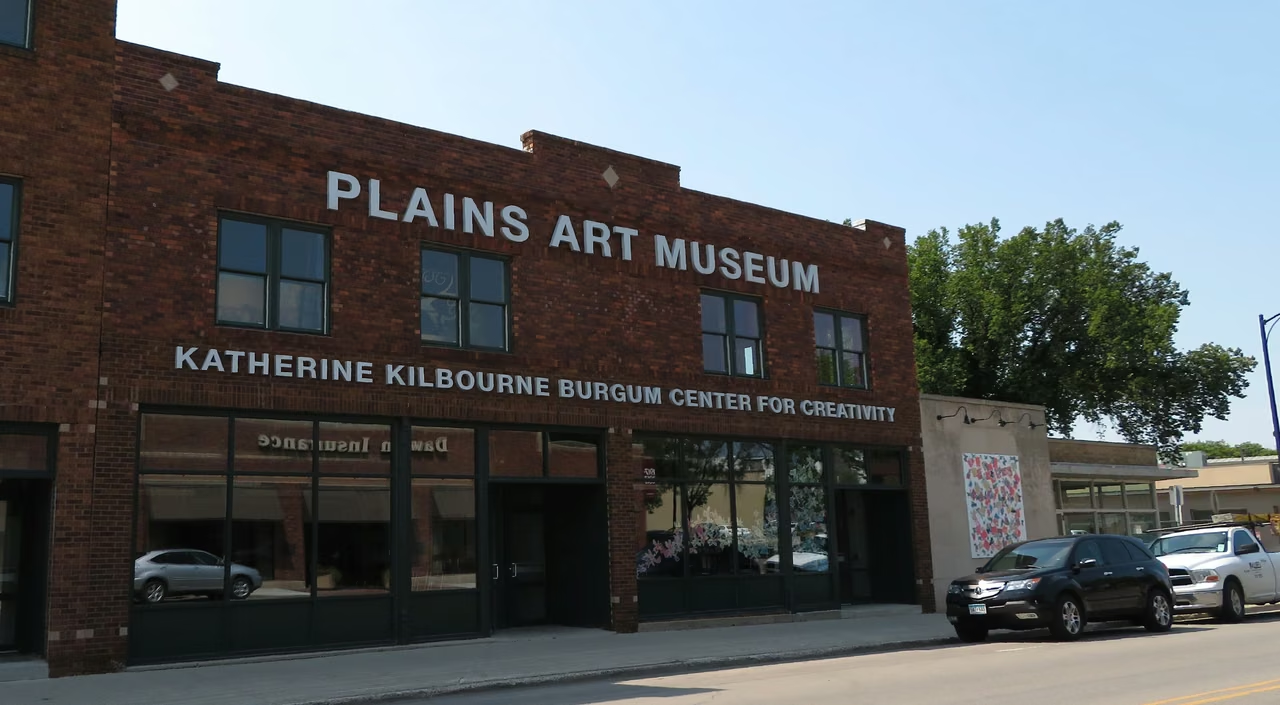
The Plains Art Museum offers exhibitions, classes, and studios to bring art into the community. Opportunities to share tools, create, and learn make the museum more than just a place to view works.

Universities, cultural institutions, and local stores make up the daily life of the city. Understanding Fargo requires looking at both job opportunities and places where people are willing to stay after work.

Fargo · Plains Art Museum
Minot · Immigration and Family Memories

Familiar crafts and flavors, carried to the plains.

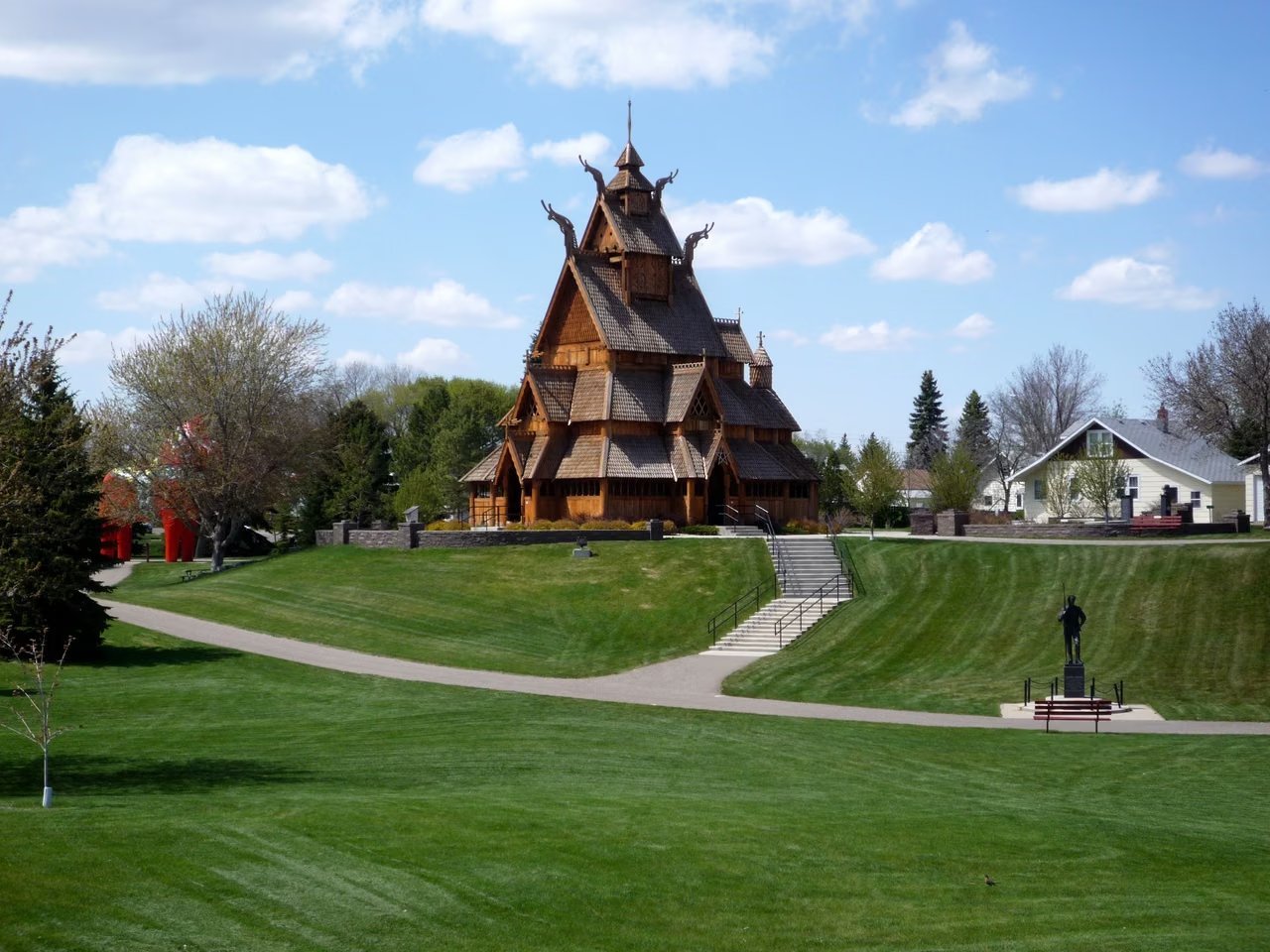
Minot Nordic Culture Park · Replicated Wooden Church Building

Nordic memories in architecture.

Minot's Nordic Cultural Park showcases the cultural connections between Denmark, Finland, Iceland, Norway, and Sweden. Replicas of buildings like wooden churches bring familiar immigrant family forms into the public spaces of the Northern Plains.

Here, we preserve and recount a culture that spans oceans. Architecture, festivals, and family stories record how people carry old memories into new places.

The Other Migration Route at the Dinner Table

A bowl of dumpling soup tells a migration story.

North Dakota State University’s account of Germans from Russia food traditions includes dumpling soups, filled pastries and yeast doughs. Many families’ migration routes passed through Russia before reaching the North American plains.

Recipes adapt to local ingredients and family habits while preserving the pleasures of cooking, gathering, and telling old stories. Sometimes a kitchen is the best place to begin understanding a place.

The state capital and local services

Beyond natural resources, everyday services.

Bismarck · State Capital City and Surrounding Streets
448.3thousand jobs

Nonfarm employment was approximately 448,300 in August 2026, up 800 from July. Manufacturing accounted for approximately 27,900 jobs, up 200 from July.

Healthcare, education, retail, and public services support local life. Resource-producing regions, agricultural communities, and eastern cities have different needs for people and services.

Bureau of Labor Statistics, September 18, 2026 release; seasonally adjusted, August is the preliminary value. The number of job positions does not equal the number of companies.

Industries & establishments · 2023

The work that keeps communities running.

Agriculture and energy are important background, but this table primarily statistics non-agricultural private establishments with paid employees. Services such as healthcare, retail, and other local services make the structure of state jobs more diverse than a single-resource industry.

The state recorded 25,402 employer establishments and 352,108 paid employees. A single company may operate several stores, offices, or factories, so establishments are not a count of registered companies.

Health care & social assistance64,188 people

Retail trade45,791 people

Accommodation & food services34,052 people

Manufacturing29,264 people

Construction24,696 people

U.S. Census Bureau, 2023 County Business Patterns. The series primarily covers private, nonfarm establishments with paid employees. Employment is measured for the pay period that includes March 12. The 2023 release was the latest in this series available when checked; it is not a measure of current monthly employment.

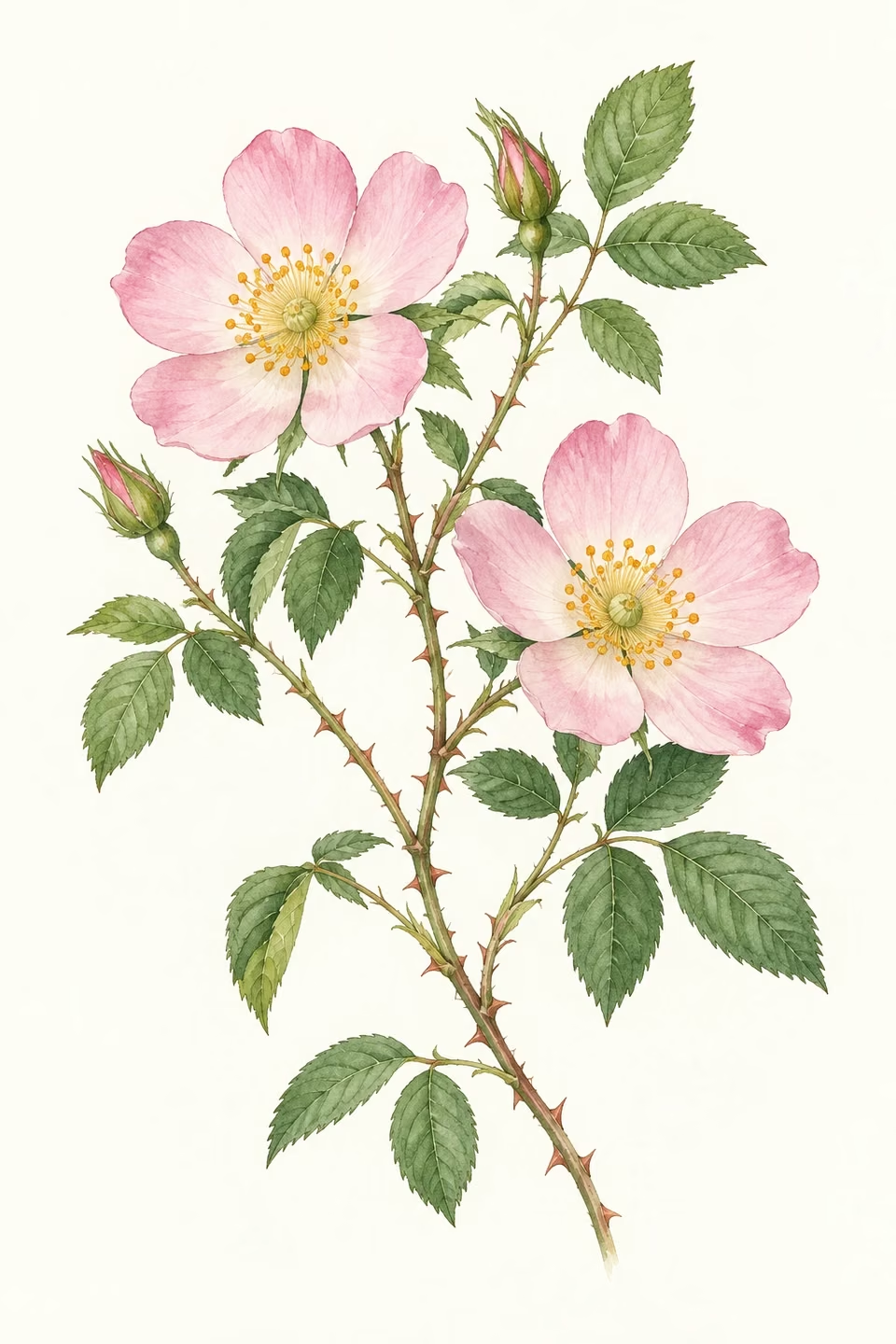
Wild Rose · State Flower

Soft colors in a rugged landscape.

In 1907, the wild prairie rose was designated as the state flower. The flower draws the eye from the distant horizon to the edge of one's feet, along with rock formations, grasslands, villages, and cities, to create a more complete picture of North Dakota.

To understand here, one needs to remember the long span of nature, and also see how people work, cook, create, and gather every day.

Wild prairie rose · State flower illustration
STATE.REPORT

An editorial feature by STATE.REPORT. Image creators and licenses are credited below.

Sources & further reading

Population estimates ↗

U.S. Census Bureau: state population estimates for July 1, 2025.

Layers of the badlands

National Park Service: Ancient wetlands, sedimentary rock, brown coal, and erosion.

Bison and Grassland Protection

National Park Service: Bison History, Reintroduction, and Habitat Management.

Earthlodge construction and daily life ↗

National Park Service: Hidatsa earthlodges, storage, and family life.

Women and earthlodge villages ↗

National Park Service: A repository of knowledge, agricultural landscapes, and contemporary continuities.

Trade at Fort Union

National Park Service: A repository of ethnic groups and trade items along the Upper Missouri River.

The historical records of the tribes.

Mandan, Hidatsa and Arikara Nation: history preserved by its culture and language programs, including records of reservoir-related relocation.

Glacier Lake and Red River Plain

North Dakota Geological Survey: The Formation and Retreat of Lake Agassiz.

Food traditions of Germans from Russia

North Dakota State University Outreach: Immigration Experience and Local Foods.

Minot's Nordic culture

North Dakota Tourism Department: Cultural Parks and Building Exhibitions.

Fargo Theater

The official theater records state it was built in 1926. It hosts both films and live performances.

Art studios in the city.

The Plains Art Museum offers a creation course, shared equipment, and community engagement.

Wild Prairie Rose

North Dakota State Historical Society Education Guide: State Flower and Natural Symbols.

Image credits & licenses

Verify your email

We will email you a six-digit code to sign in.

By continuing, you agree to the Terms and acknowledge the Privacy Policy.

Search history

Your searches from the last 30 days. Viewing this list does not use searches. Full company reports are not saved here.